
Solanum vestissimum
Solanum vestissimum
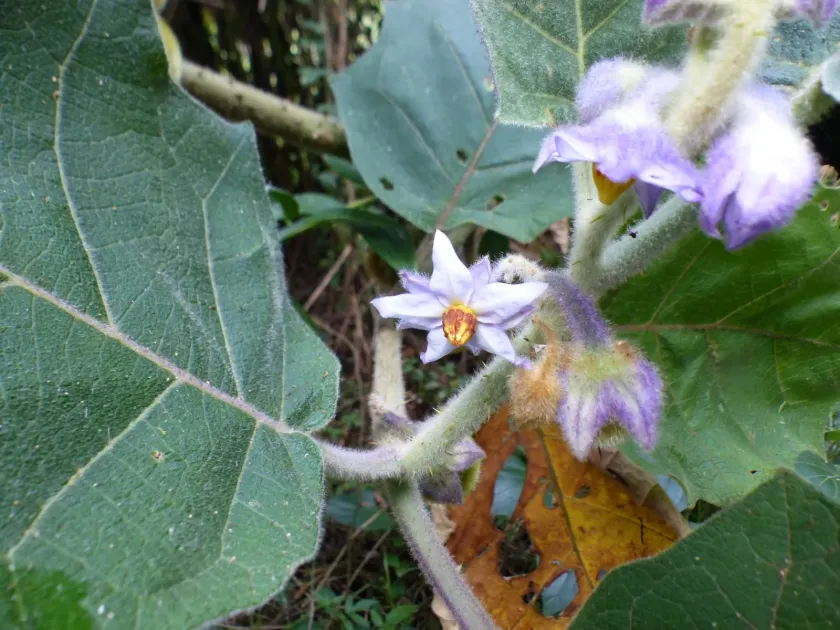
Description
Sowing dates
Sowing Solanum vestissimum requires a controlled environment such as a greenhouse to ensure consistent germination rates. The seeds should be planted in late winter or early spring using a well-draining, nutrient-rich potting medium to facilitate strong seedling development.
Seeds are typically sown at a shallow depth of approximately 0.5 to 1 centimeter. Maintaining a steady soil temperature of around 20-22 degrees Celsius is crucial during the early stages of germination to ensure uniform emergence of the sprouts.
Once the seedlings develop several true leaves, they must be transplanted into individual containers to allow for root expansion. This step is essential to prevent overcrowding and to promote healthy vegetative growth before moving the plants to their final outdoor location.
Acclimatization, or hardening off, is a mandatory process that begins two weeks before the final planting date. By gradually exposing the seedlings to outdoor conditions, the plants become sturdier and more resilient to natural wind and sunlight.
The final planting into open soil should only occur when all risks of frost have passed and the soil has sufficiently warmed. Planting too early in cold soil can severely retard growth and weaken the plant's natural immune system.
Growing requirements
As a member of the Solanaceae family, this species thrives in locations with full sun exposure. Adequate light is necessary for photosynthesis and to ensure the plant reaches its full physiological potential during the growing season.
The ideal soil for this crop is well-aerated, fertile, and has a neutral or slightly acidic pH. If the existing soil is heavy or prone to waterlogging, it is recommended to incorporate organic matter or mineral conditioners to improve soil structure and drainage.
Consistent moisture management is key to the successful cultivation of Solanum vestissimum. While the plant requires regular watering to support its growth, it is vital to avoid standing water, which can trigger root rot and other moisture-related diseases.
Nutrient supply should be handled through regular fertilization programs that balance nitrogen for vegetative growth and potassium/phosphorus for fruit production. Split applications of fertilizer throughout the season often yield the best results.
Maintenance of the cultivation area includes mechanical weeding between rows and the application of mulch to preserve soil moisture. These practices keep the root zone cool and reduce the pressure from competing weed populations in the field.
Main diseases and pests
The primary pathological threats to this crop include fungal infections such as late blight, which flourishes in high-humidity conditions. Proper spacing between plants is an effective cultural practice to ensure air circulation and reduce the risk of disease spread.
Insect pests, including aphids and leaf-eating beetles, are common challenges for Solanaceae species. These pests can cause significant damage to the plant's photosynthetic area if populations are not monitored and managed promptly.
Spider mites are a particular concern during periods of hot, dry weather. They feed on the underside of leaves and can cause yellowing and necrosis if left untreated, leading to a general decline in plant vigor and overall yield potential.
Integrated Pest Management (IPM) strategies are highly recommended to minimize the use of synthetic chemicals. This includes the use of biological controls, pheromone traps, and regular field inspections to detect early signs of pest infestation.
Sanitation practices after the harvest are essential for long-term field health. Removing all plant debris from the site helps to disrupt the life cycle of overwintering pathogens and pests, ensuring a cleaner environment for the next planting cycle.