
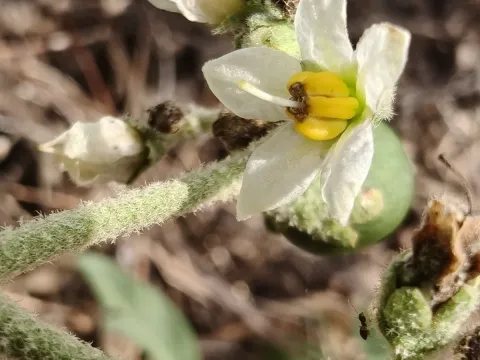
Solanum umbellatum
Solanum umbellatum
Solanum umbellatum is a perennial evergreen shrub or small tree belonging to the Solanaceae family. Known for its distinct inflorescences and large, velvety leaves, the plant typically thrives in tropical and subtropical climates, showcasing a robust growth habit in its natural environment.
What the section contains
Solanum umbellatum
The species originates from Central and South America, where it occupies disturbed forest clearings and riparian zones. Its natural habitat is characterized by high humidity, abundant rainfall, and consistently warm temperatures throughout the year, which are essential for its vigorous growth.
For successful cultivation, Solanum umbellatum requires full to partial sun exposure and protection from frost. It is highly sensitive to cold temperatures, necessitating greenhouse conditions in temperate latitudes to prevent tissue damage and ensure the plant survives the winter months.
The ideal soil for this crop is well-draining, fertile, and slightly acidic. Proper soil management is crucial; because the plant is sensitive to anaerobic conditions, growers should incorporate organic matter and ensure that containers or planting sites provide excellent drainage to avoid root rot.
Agricultural and horticultural uses of Solanum umbellatum include its role as a medicinal plant in traditional practices and its use in tropical landscaping. Due to the presence of secondary metabolites, such as alkaloids, the plant is typically managed with caution, particularly in settings where public access is permitted.
The primary pests affecting Solanum umbellatum include whiteflies, aphids, and spider mites. These insects can quickly colonize the underside of the leaves, causing chlorosis and reduced vigor, which requires early detection and integrated pest management strategies to control infestations.
Pathogenic threats include fungal infections such as late blight and leaf spots, which are facilitated by excessive moisture and poor air circulation. Maintaining good cultural practices, such as proper spacing and foliage dryness, is essential to minimize the risk of these diseases.