
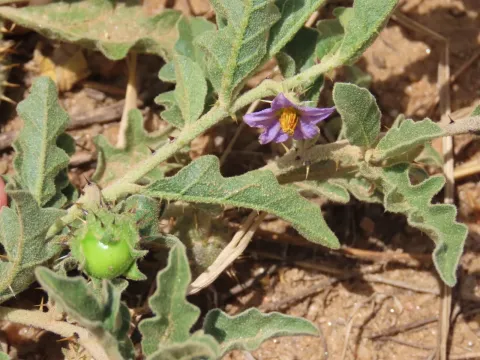
Solanum supinum
Solanum supinum
Solanum supinum is a member of the Solanaceae family, known for its prostrate growth habit and resilience in specific ecological niches. This plant species has adapted to distinct environmental conditions, primarily found in regions where high heat and intense sunlight are the prevailing climatic factors.
What the section contains
Solanum supinum
To achieve successful cultivation, growers must prioritize high-light environments. The plant thrives under full exposure to direct sunlight, which is essential for stimulating its metabolic processes and ensuring robust development of the trailing stems and foliage.
The soil profile for this crop should be characterized by excellent drainage properties. Loamy or sandy soil textures are ideal, as they prevent the risk of waterlogging, which the root system of Solanum supinum is particularly susceptible to during the initial phases of growth.
Thermal requirements are relatively high, with an optimal growth range between 20°C and 30°C. The species is highly sensitive to frost, which makes it unsuitable for open-field cultivation in temperate zones without providing protected environments like greenhouses or high tunnels.
Standard agronomic practices for this crop involve maintaining soil aeration through regular inter-row cultivation. Nutrient management is equally important, focusing on providing a balanced supply of potassium and phosphorus to support healthy plant architecture and stress tolerance.
Fungal pathogens such as late blight represent a major risk for Solanum supinum, particularly when high humidity levels are maintained for extended periods. Implementing proper spacing between plants is a crucial cultural practice to promote air circulation and reduce disease severity.
Pest populations, including aphids and whiteflies, frequently target the succulent parts of the plant. These insects not only damage the plant tissue directly but also act as vectors for various viral diseases that can wipe out entire crop segments if not controlled.
The Colorado potato beetle is a significant pest threat, capable of rapid defoliation. Crop rotation and the physical removal of eggs or larvae are recommended early-season interventions to keep beetle populations below economic injury levels.
Root-knot nematodes can severely inhibit the vigor of the plant by attacking the root system, leading to stunted growth. Using sterile growing media or soil solarization techniques is recommended to mitigate the impact of soil-borne pathogens before planting.
An effective integrated pest management (IPM) strategy should prioritize monitoring and the use of targeted biological controls, resorting to chemical pesticides only when biological thresholds are exceeded to ensure both yield and environmental sustainability.