
Solanum swartzianum
Solanum swartzianum
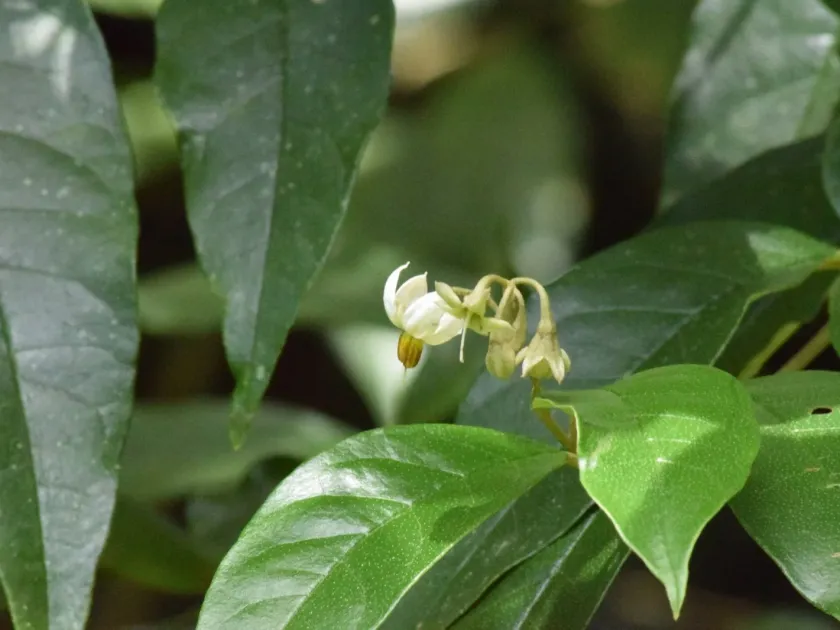
Description
Growing requirements
Solanum swartzianum is a woody perennial shrub belonging to the diverse Solanaceae family. Originating from the Caribbean region, specifically Jamaica, this species thrives in tropical forest environments where rainfall is abundant and temperatures remain consistently warm throughout the year.
Botanically, the plant is recognized by its distinct foliage and typical solanoid floral structure. It acts as a woody component of the understory, adapted to specific light conditions, which makes its cultivation in temperate regions dependent on controlled environment agriculture, such as greenhouses.
Soil requirements for this species are quite specific: it demands a well-aerated, porous substrate with a slightly acidic to neutral pH. Preventing root compaction is essential for maintaining vigor, as the root system is highly sensitive to hypoxic conditions often caused by poor drainage.
Temperature management is critical for the survival of Solanum swartzianum. It requires a stable range between 20°C and 28°C. Exposure to cold drafts or temperatures below 10°C can result in severe physiological stress and premature leaf abscission, hindering its vegetative growth.
In terms of economic utility, the plant is primarily valued for its botanical significance and potential for chemical research. The accumulation of secondary metabolites within its tissues suggests that it may hold future applications in green chemistry and pharmacological industries.
Main diseases and pests
The primary pests affecting this culture in controlled settings include spider mites and aphids, which exploit the nutrient-rich sap of the foliage. Integrated pest management (IPM) practices, including biological control agents, are recommended to maintain plant health without chemical residues.
Fungal threats such as Verticillium wilt and various root rot complexes are the most significant pathogens to watch for. These diseases thrive in environments with excessive moisture and poor air circulation, underscoring the need for precise irrigation management and adequate greenhouse ventilation.