
Streptosolen
Streptosolen
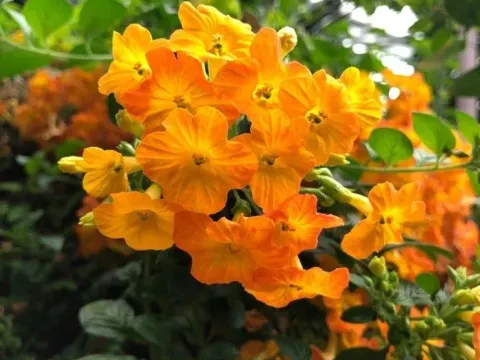
Streptosolen (Streptosolen jamesonii), commonly known as the Fire Bush, belongs to the Solanaceae family. This evergreen shrub originates from the mountainous regions of Colombia, Ecuador, and Peru, where it thrives in humid and cool environments.
What the section contains
Streptosolen
The plant requires bright, filtered light to maintain its vibrant foliage and intense flower color. Direct sunlight should be avoided during the peak midday hours as it may damage the leaves, while insufficient light often leads to leggy stems and poor blooming.
Soil requirements involve a well-draining, nutrient-rich substrate. A standard mix of peat, loam, and coarse sand or perlite works best to ensure proper root aeration. It is critical to maintain a slightly acidic to neutral pH level for optimal nutrient uptake.
Watering must be consistent; the soil should be kept moderately moist throughout the growing season. However, standing water must be avoided to prevent root rot, which is a common issue for this species when grown in improper containers without adequate drainage.
In terms of usage, Streptosolen is primarily an ornamental crop. It is highly valued in greenhouse cultivation, winter gardens, and as a seasonal outdoor container plant in regions with mild climates, providing a spectacular display of orange and yellow blossoms.
The most common pests affecting Streptosolen are spider mites, whiteflies, and aphids. These insects tend to colonize the undersides of the leaves, drawing out plant sap and causing wilting, yellowing, and eventual leaf drop if left unchecked.
Mealybugs are another potential threat, often found in leaf axils. They produce a characteristic white, cottony substance that indicates a significant infestation, requiring immediate mechanical removal or the application of systemic insecticides.
Fungal diseases, such as root rot and stem rot, occur predominantly due to overwatering or poor ventilation. These pathogens thrive in waterlogged, compacted soils where the root system cannot access oxygen, leading to rapid plant decline.
Management of these threats involves a combination of integrated pest management (IPM) practices, including regular inspection and proper hygiene. Keeping the foliage clean and maintaining adequate air circulation significantly reduces the risk of fungal outbreaks.
When chemical interventions are necessary, it is essential to rotate products to prevent the development of pesticide resistance. Always ensure the plant is well-hydrated before applying any foliar treatments to avoid stress.