
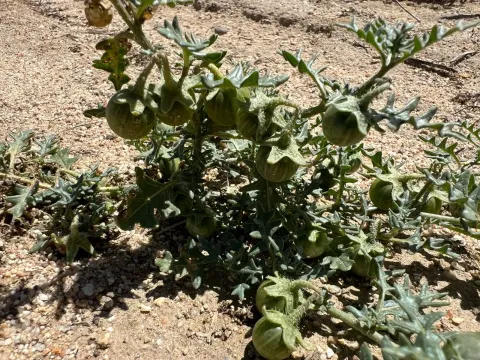
Cut-leaf nightshade
Solanum triflorum
Cut-leaf nightshade is a warm-season crop that thrives in regions with stable, frost-free weather. Planting should be scheduled for late spring, once soil temperatures have consistently risen above 15 degrees Celsius.
What the section contains
Cut-leaf nightshade
The seeds are relatively small and require precise placement in the soil. A seeding depth of 1 to 2 centimeters is optimal, ensuring the seeds have enough moisture and contact with the soil to germinate successfully.
In cooler climates, using starter trays or seedling pots is highly recommended to extend the growing season. Transplanting into the field should occur only when the risk of frost is completely eliminated.
Spacings must be carefully managed to prevent overcrowding. Proper aeration between the plants is crucial to mitigate the risk of foliage diseases, which are common in dense patches of Solanum species.
Early-season weed control is essential for establishing the crop. Because cut-leaf nightshade can be competitive, establishing a clean field area before germination helps ensure healthy plant development.
This crop prefers sandy or loamy soils that possess excellent drainage characteristics. Heavy clay soils that tend to compact or hold excessive moisture are unsuitable, as they inhibit root development.
Full sun is a primary requirement for this nightshade variety. Exposure to direct sunlight for the majority of the day stimulates flowering and promotes the production of uniform, high-quality berries.
Moisture management should be consistent but not excessive. While the plant can withstand occasional dry spells, regular irrigation during the flowering and fruit-setting stages is necessary for optimal yields.
Fertilizer application should be balanced. Excess nitrogen often leads to excessive green growth at the expense of fruit production, so a phosphorus-heavy mix is often preferred for more robust reproduction.
The plant thrives at temperatures between 20 and 25 degrees Celsius. Extreme heat or sustained cold will slow down the growth rate significantly and may force the plant into a dormant state.
The Colorado potato beetle is a significant threat, as it can strip the plant of its foliage in a very short amount of time. Frequent field scouting is necessary to identify and manage infestations early.
Fungal diseases, specifically late blight, are major concerns, especially in humid conditions. Symptoms include darkened spots on foliage and rapid decay, requiring prompt fungicide intervention or removal.
Powdery mildew can frequently affect the leaves during mid-summer. This condition appears as a dusty white film, reducing the plant's ability to photosynthesize effectively and eventually weakening the crop.
Aphids can cause indirect damage by transmitting viral diseases. These pests are often found on the undersides of leaves and require systemic insecticides or biological control agents for effective management.
Crop rotation is the most effective cultural practice to prevent the build-up of soil-borne pathogens. Rotating away from other solanaceous crops for at least three years is a standard agronomic recommendation.
Harvesting should be done based on the physiological maturity of the berries. They are usually picked when they reach their characteristic color and start to soften, signaling peak ripeness.
Manual harvest is typically required to ensure that only fully mature berries are collected. This allows the grower to discard any fruit that shows signs of pest damage or fungal infections during the process.
Post-harvest care involves keeping the berries in a cool, shaded area to prevent dehydration and enzymatic degradation. Rapid cooling helps maintain the quality and shelf-life of the produce.
The harvesting window is generally limited to the late summer and early autumn. Frost protection measures should be taken if harvesting is planned for later in the season to prevent tissue collapse.
Efficient sanitation after harvesting is mandatory. Clearing out all crop debris from the field ensures that seeds or pests do not overwinter, reducing the pressure for the following growing season.