
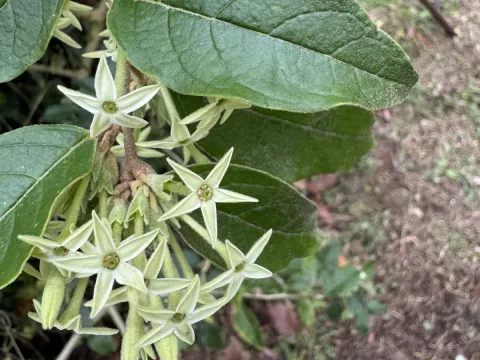
Cestrum strigillatum
Cestrum strigillatum
Cestrum strigillatum is a perennial shrub belonging to the Solanaceae family. Native to the tropical regions of Central and South America, it thrives in warm, humid climates often associated with forest margins and mountain regions.
What the section contains
Cestrum strigillatum
The crop requires a stable temperature range between +18 and +25 degrees Celsius for optimal vegetative growth. Due to its tropical origin, it is highly sensitive to frost and is typically grown in greenhouses or as an ornamental container plant in temperate zones.
Success in cultivation depends on providing well-drained, nutrient-rich soil with a neutral to slightly acidic pH level. Proper aeration is crucial to prevent root zone suffocation and promote vigorous development.
The plant prefers bright, indirect sunlight to maintain its foliage health and stimulate flower production. During the growing season, consistent moisture is required, though the medium should never be waterlogged.
Botanically, it is characterized by its rapid growth habit and branched structure, which necessitates regular pruning to maintain a desirable shape and encourage the formation of new flowering shoots.
The main pests affecting Cestrum strigillatum include spider mites and whiteflies, which tend to proliferate in warm, low-humidity indoor or greenhouse environments.
Fungal pathogens such as root rot and leaf spot are common threats caused by poor drainage and stagnant air conditions around the plant canopy.
Integrated pest management strategies are recommended, starting with the use of systemic insecticides to control sap-sucking insects during the early infestation stages.
Routine sanitation, including the removal of dead or decaying plant material, is essential to minimize the risk of developing fungal and bacterial diseases.
Preventative measures also include keeping the plants spaced adequately to ensure good air circulation, which helps significantly in reducing the incidence of most common pathogens.