
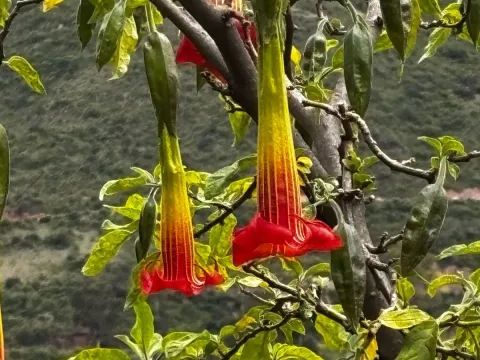
Datura rosei
Datura rosei
Sowing Datura rosei seeds requires careful soil preparation and stratification to ensure high germination rates. The ideal time for sowing is early spring, once the soil has warmed sufficiently to temperatures above 15 degrees Celsius.
What the section contains
Datura rosei
In field production, seeds are sown in rows with spacing of at least 60 to 70 centimeters. This provides sufficient room for the plant to develop its robust root system and large foliage canopy during the growing season.
Using the seedling method is highly recommended for cooler climates to maximize the growth period. Seeds should be sown in greenhouses approximately 40 to 50 days before the scheduled transplanting date.
Plant the seeds at a depth of 2–3 centimeters in a well-drained, nutrient-rich substrate. Maintaining consistent soil moisture is crucial until the seedlings emerge, which typically takes between two to three weeks.
Once the plants develop two pairs of true leaves, thinning is necessary to ensure each plant has adequate space. This practice minimizes competition for nutrients and light, promoting healthier overall growth.
Datura rosei belongs to the Solanaceae family and thrives in areas with full sun exposure. Adequate lighting is directly correlated with the plant's ability to produce necessary alkaloids, making sunny sites essential for successful crops.
The plant prefers fertile, loamy, or sandy-loam soils with a neutral to slightly acidic pH level. Proper drainage is critical, as waterlogged soil can quickly lead to root rot and other physiological stressors.
Regular irrigation is required during the active growth phase, particularly during the flowering stage. However, care should be taken to avoid over-saturation, as excessive moisture can attract fungal pathogens.
Balanced fertilization with nitrogen, potassium, and phosphorus is beneficial for biomass production. Nevertheless, excessive nitrogen should be avoided to ensure that the accumulation of alkaloids remains at desired concentrations.
As a heat-loving species, Datura rosei is highly sensitive to cold. Temperatures consistently below 15-18 degrees Celsius will significantly retard growth, and frost will cause irreversible damage to the plant tissue.
Aphids are among the most common pests, targeting the tender tips and undersides of the leaves. These insects sap the plant's energy, which can lead to stunted growth and the transmission of viral infections.
Spider mites represent a significant risk, especially during periods of high heat and low humidity. Their presence is indicated by fine webbing and yellowing leaves, which can reduce the quality of the raw material.
Late blight is a primary fungal threat that affects stems and leaves. It spreads rapidly in humid environments, necessitating preventive measures such as good air circulation and maintaining proper plant spacing.
Powdery mildew may occur when humidity is high and airflow is restricted. It manifests as a white, dusty layer on leaves, which impairs photosynthesis and overall plant vigor.
Integrated pest management, including the use of targeted biological or chemical treatments, is recommended. It is essential to strictly follow safety intervals between pesticide application and harvesting.
The harvest of Datura rosei is best performed during the peak flowering stage. This timing is vital as the concentration of active medicinal compounds is highest in the leaves and blossoms during this specific phase.
Plants are typically cut by hand or harvested using specialized equipment to preserve the integrity of the botanical material. Harvesting should be done in dry weather to prevent moisture-related rot during transport.
Immediately after collection, the raw material should be dried in well-ventilated areas or specialized dryers. Temperatures must be kept below 45 degrees Celsius to prevent the degradation of heat-sensitive compounds.
After the drying process, the material is cleaned of impurities, including stems and soil debris. High-quality dry material should retain its distinct color and should be free from any mold or foreign smells.
Finished products should be stored in airtight containers or breathable sacks in a cool, dark place. Protection from light and humidity is necessary to ensure the long-term stability of the extracted ingredients.