
Cyphanthera
Cyphanthera
Cyphanthera is a genus of perennial shrubs belonging to the Solanaceae family. Native primarily to Australia, these plants are scientifically recognized for their capacity to accumulate tropane alkaloids. This chemical profile makes them a subject of interest for pharmaceutical research and sustainable drug production.
What the section contains

Cyphanthera
In terms of environmental requirements, Cyphanthera thrives in well-drained, sandy, or rocky soil conditions. The plants are naturally adapted to arid or semi-arid environments, meaning they have a low tolerance for waterlogged soil. Exposure to full sunlight is essential for optimal growth and chemical synthesis within the plant tissues.
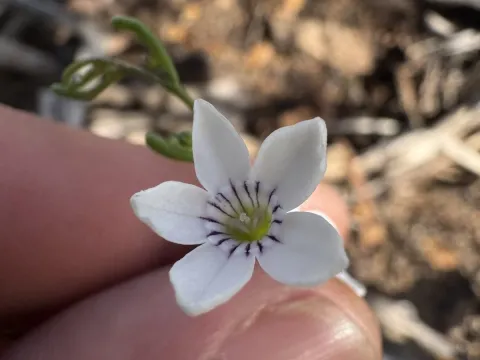
Botanically, these shrubs are characterized by simple alternate leaves and typical Solanaceae-type floral structures. The flowers often feature cream, white, or pale purple petals. The fruit is typically a capsule, which facilitates the dispersion of the small seeds that are used for propagation in a controlled environment.
The main economic use of Cyphanthera is its role as a botanical source for bioactive compounds. Specifically, the extraction of hyoscyamine and scopolamine is the primary focus of its cultivation. Because of this, it is often managed as a specialized field crop in regions that match its specific ecological needs.
Agrotechnical management requires precise irrigation to avoid the development of pathogens. Since the plant is sensitive to frost, it is primarily cultivated in warm, temperate zones. Proper site selection and soil preparation are the most critical factors for successful biomass production in commercial settings.
The primary threats to Cyphanthera include various root rot diseases, which occur rapidly if drainage is insufficient. Furthermore, common pests that affect Solanaceae, such as aphids, whiteflies, and spider mites, can significantly reduce the vitality of the plants if not monitored and treated early.