
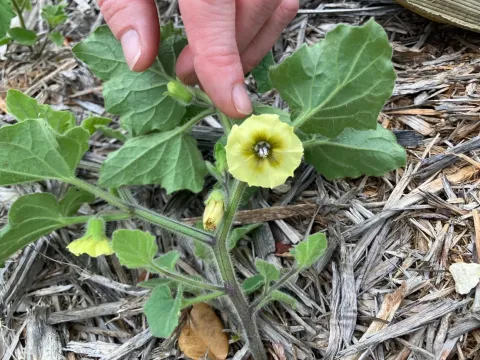
Clammy groundcherry
Physalis heterophylla
Clammy groundcherry (Physalis heterophylla) belongs to the Solanaceae family. It is a perennial herbaceous plant, though often managed as an annual crop in agricultural systems outside its native range.
What the section contains
Clammy groundcherry
Seeds should be sown indoors 6 to 8 weeks before the last frost date to ensure a robust plant is ready for transplanting. Using a well-draining seed starting mix is essential for germination.
Germination typically occurs within two weeks when soil temperatures are maintained at approximately 21–24 degrees Celsius. Adequate light is crucial once seedlings emerge to prevent etiolation.
Seedlings should be hardened off gradually over a period of 7–10 days before being placed in their permanent outdoor location, protecting them from excessive wind and direct scorching sun.
Planting spacing is vital for air circulation; a distance of at least 50 cm between plants helps mitigate the risk of fungal pathogens and allows for easier maintenance throughout the growing season.
Physalis heterophylla thrives in well-drained, sandy loam soils that are rich in organic matter. While it is adaptable, it performs best in soils with a slightly acidic to neutral pH range.
Full sun exposure is required for maximum fruit production. The plant is drought-tolerant once established, but supplemental watering during fruit development significantly improves size and flavor.
The crop is highly sensitive to frost. Providing row covers or plastic tunnels can extend the growing season in regions with cooler climates, protecting plants from early autumn cold snaps.
Soil fertility management should focus on balanced nitrogen application. Excessive nitrogen leads to rampant foliage growth at the expense of fruit production, so careful monitoring is necessary.
Proper moisture management is essential to prevent fruit cracking. Avoid overhead irrigation during the heat of the day to reduce the risk of leaf scorch and foliar diseases.
Common pests affecting this crop include the Colorado potato beetle, which can rapidly defoliate plants, and various species of aphids that congregate on tender new growth.
Fungal diseases like early blight and late blight are major concerns, especially in regions with high humidity. These pathogens can spread quickly through plant tissues if left untreated.
Crop rotation is the most effective preventative measure. Avoiding the planting of Physalis heterophylla in areas where other nightshades were grown in the previous two years is strongly advised.
If chemical or organic control is required, treatments should be applied early in the infestation cycle. Always verify that products are safe for edible crops before application.
Good field sanitation, such as removing fallen plant debris at the end of the season, significantly reduces the overwintering population of pests and pathogens in the soil.
The harvest period begins when the papery husks surrounding the fruit turn brown and dry. The fruit itself should be firm and possess a distinct, sweet-tart aroma characteristic of the species.
Fruit often falls to the ground when fully ripe. Daily gathering is recommended to maintain quality and prevent the fruit from becoming over-ripened or damaged by contact with soil.
Post-harvest, the husks should be kept intact to prolong shelf life. When stored in a cool, dry, and well-ventilated location, the fruits can remain viable for several weeks after collection.
Clammy groundcherry is utilized in various culinary applications, including jams, jellies, and salsas. Its unique flavor profile is highly valued in specialty markets and artisanal food production.
The plant also has potential in ecological restoration due to its ability to colonize disturbed sites and its role as a resource for various pollinators and local wildlife.