
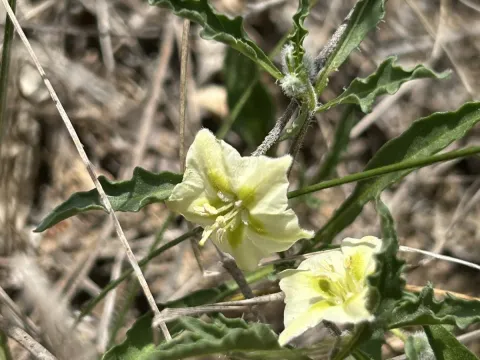
Chamaesaracha
Chamaesaracha
Chamaesaracha is a genus of perennial herbaceous plants belonging to the Solanaceae family. These plants are native to arid environments, primarily found in the Southwestern United States and Mexico, and are studied for their hardiness and unique botanical properties.
What the section contains


Chamaesaracha
Sowing should begin in the early spring using well-drained seed trays. The seeds require light and warmth to germinate effectively; therefore, they should not be buried deeply in the soil, which should be kept consistently moist but not waterlogged during the germination phase.
The seeds often benefit from a short period of stratification to improve overall germination rates. Growers should ensure that the growing medium is light and porous, typically a mix of peat, perlite, and sand, to provide the necessary conditions for root development.
Seedlings should be moved to individual pots once they reach the two-leaf stage. This careful transition prevents root disturbance and allows for better monitoring of each plant's health before it is ready for transplanting into a permanent location.
Transplanting into the garden or field should occur once the risk of frost has passed and soil temperatures have stabilized. Proper spacing, typically 15 to 20 inches apart, is essential to allow for airflow and to prevent competition for nutrients.
Chamaesaracha thrives in sunny, open areas with full sun exposure. As a plant adapted to desert-like conditions, it is highly resilient to heat and does not require frequent irrigation compared to typical garden crops.
The ideal soil for this crop is sandy or gravelly loam with excellent drainage. High soil fertility is not strictly necessary; in fact, overly rich soil can lead to poor plant structure and increased susceptibility to pests and diseases.
Water management is critical. While the plants are drought-tolerant, supplemental watering during the flowering stage can enhance growth and overall vigor. However, overwatering remains the leading cause of root rot in this species.
Minimal fertilization is required for Chamaesaracha. A light application of a balanced, slow-release fertilizer in early spring is usually sufficient to support the plant throughout the growing season without promoting excessive vegetative growth.
Maintaining a weed-free environment is important, especially when the plants are young. Once established, Chamaesaracha is quite competitive, but initial weeding will help the plants establish a strong root system that can withstand the challenges of its native climate.
Chamaesaracha is susceptible to common pests associated with the nightshade family, including aphids and Colorado potato beetles. Integrated pest management, which includes manual removal and the use of targeted biological controls, is highly recommended.
Fungal pathogens such as Phytophthora or Alternaria can become an issue if environmental conditions become too damp. Ensuring proper spacing and keeping the foliage as dry as possible are the best preventative measures against these infections.
Root-knot nematodes can potentially inhabit the soil in warmer regions, affecting the uptake of water and nutrients. Crop rotation is the most effective way to avoid soil-borne pathogens and keep the plant beds healthy for future plantings.
Spider mites are a common nuisance during the hot, dry months. Regular monitoring of the undersides of the leaves is advised, and infestations can often be managed with simple insecticidal soap treatments if caught in the early stages.
In cases of severe infection or infestation, prompt removal and destruction of the affected plants are necessary to prevent the spread to adjacent crops. Protecting the health of the surrounding ecosystem is a fundamental part of successfully growing this resilient but delicate crop.