
Cyphomandra
Cyphomandra
Cyphomandra, widely known as the tree tomato or tamarillo, belongs to the Solanaceae family. To propagate this plant, seeds should be sown in late winter or early spring to ensure the seedlings are well-established before being moved to their final location.
What the section contains


Cyphomandra
The seeds require a warm environment, ideally between 22 and 25 degrees Celsius, to germinate effectively. Using a light, well-drained seed-starting mix prevents the dampening-off diseases that often affect young nightshade seedlings.
Growth during the seedling stage is moderate, so providing adequate artificial light is essential if natural sunlight is insufficient. Once the plants reach a height of 10-15 centimeters, they should be transplanted into larger pots to support root development.
Hardening off is a critical step for Cyphomandra before moving it outdoors. Gradually acclimating the young trees to outside conditions over a period of two weeks helps prevent transplant shock and leaf burn.
For those in cooler climates, growing Cyphomandra in containers is the most practical approach. This allows the grower to protect the plant from frost by moving it to an indoor location during the colder months.
This plant thrives in fertile, well-draining soil with a slightly acidic to neutral pH. A consistent moisture level is important, but waterlogging must be avoided, as the roots are highly susceptible to rot if left in saturated soil.
Cyphomandra prefers bright, indirect sunlight but can tolerate some shade in hotter climates. Protecting the tree from strong, gusty winds is essential, as the brittle branches can easily break under the weight of fruit or during storms.
The ideal temperature for active growth ranges from 18 to 25 degrees Celsius. The plant is sensitive to frost and will suffer significant damage or death if exposed to temperatures dropping below freezing for an extended period.
Regular fertilization is necessary to support the rapid growth and high fruit production of the tree. A balanced NPK fertilizer should be used during the vegetative phase, switching to higher potassium levels as the flowering stage begins.
Pruning is essential for maintaining a manageable size and encouraging better light penetration into the center of the crown. Removing old or weak branches helps stimulate new growth and increases the overall productivity of the tree.
A healthy Cyphomandra tree can begin to bear fruit as early as its second year of growth. The production capacity increases significantly as the tree matures, with mature trees producing dozens of fruits per season under optimal conditions.
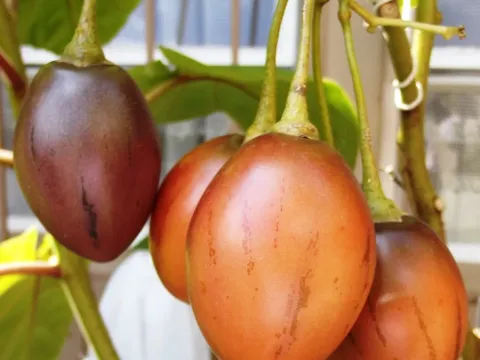
The fruits have a distinctive oval shape and a complex, tart-sweet flavor. They are highly nutritious, containing vitamins A, C, and E, as well as essential minerals, making them a popular choice for fresh consumption and gourmet culinary use.
Harvesting should occur when the fruits reach their full, characteristic color. They ripen gradually, allowing for multiple harvests over a period of several weeks, which is ideal for home gardeners looking for a continuous supply of produce.
Proper fruit storage is important for maintaining quality. Once picked, the fruits remain fresh for several days at room temperature or for up to two weeks when stored in a cool, well-ventilated area away from direct sunlight.
Pollination is generally efficient, but in indoor or greenhouse settings, gentle shaking of the branches can help improve the set rate. High-quality fruit production is a rewarding result of consistent care and proper nutrient management.
Pests like aphids and whiteflies are common challenges when growing Cyphomandra. These insects feed on the sap of the young leaves, potentially transmitting viral diseases that can weaken or kill the plant if left untreated.
Spider mites can become a problem in dry, warm environments, especially indoors. Maintaining optimal humidity levels and regularly cleaning the leaves with a gentle water spray can help deter these pests from establishing colonies.
Fungal diseases, including powdery mildew, can affect the leaves if air circulation is poor or humidity is too high. Proper spacing and regular pruning are effective cultural controls to mitigate these risks in both greenhouses and gardens.
Root rot, caused by poor soil drainage or overwatering, is the primary reason for premature plant loss. Ensuring the pot or planting hole has excellent drainage is the most effective preventative measure against this condition.
Monitoring the plant for signs of stress or pest infestation is crucial for early intervention. Whenever possible, use integrated pest management techniques, such as beneficial insects or neem oil, to keep the tree healthy and safe for harvesting.