
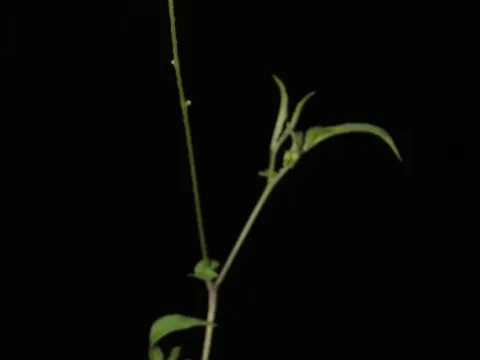
Fragrant nightshade
Solanum suaveolens
Fragrant nightshade (Solanum suaveolens) is a unique botanical species belonging to the Solanaceae family. Originating from South American regions, this plant is recognized for its aromatic properties and potential utility in various agricultural applications, requiring specific environmental conditions for successful cultivation.
What the section contains
Fragrant nightshade
The plant thrives in well-drained, fertile soils with a slightly acidic to neutral pH level. Proper site selection is vital, as the crop prefers high solar radiation and protection from sudden frost events, which can severely damage its delicate vegetative organs during the early development stages.
Temperature management is a key factor in agronomy. The optimal range for vegetative growth is between 18 and 25 degrees Celsius. In regions with cooler climates, greenhouse cultivation is often necessary to provide the consistent warmth required for healthy maturation and fruit set.
Watering strategies should be balanced to maintain moisture without causing waterlogging, which often leads to root asphyxiation. During the peak of the growing season, a consistent supply of nutrients, particularly nitrogen and potassium, is essential to sustain its metabolic functions.
Agronomic practices also include regular soil aeration through hoeing. This process helps minimize soil compaction, enhances gas exchange for the roots, and effectively manages competing weeds that might otherwise rob the main crop of essential nutrients and water.
Fragrant nightshade is susceptible to common solanaceous pests such as the Colorado potato beetle and various aphid species. Integrated pest management strategies, including biological control and judicious use of insecticides, are recommended to maintain plant vigor throughout the season.
Fungal pathogens represent the most significant threat to the crop, with late blight being the most destructive. Prevention involves strict sanitation, proper spacing to ensure air circulation, and the timely application of systemic fungicides to protect the foliage and developing fruits.
Root rot, often caused by overwatering or poor drainage, requires careful monitoring of soil moisture levels. If symptoms appear, reducing irrigation and improving soil structure are the primary steps to prevent the spread of the infection within the field or greenhouse.
Whiteflies can cause considerable stress, especially in sheltered environments, by feeding on plant sap and facilitating the spread of viral diseases. Regular monitoring using sticky traps can help track population levels and ensure timely intervention.
Viral infections can significantly reduce yield quality and quantity. Since there are few direct treatments for plant viruses, controlling insect vectors and using disease-resistant cultivars are the most effective strategies for long-term production success.