
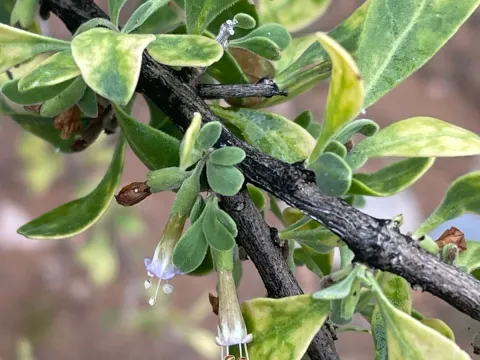
Grabowskia
Grabowskia
Grabowskia is a distinct genus of flowering plants belonging to the Solanaceae family. These plants are primarily characterized as woody shrubs, often bearing thorny branches that serve as a defense mechanism in their native arid environments of South America.
What the section contains

Grabowskia
The geographic origin of these species includes countries such as Argentina, Peru, and Uruguay. They are native to drylands where high solar radiation and low soil moisture availability are common, which has shaped their unique physiological adaptations over time.
Cultivation of Grabowskia requires full sun exposure and well-drained, sandy or gravelly soil types. They are highly sensitive to root asphyxiation, making perfect drainage an essential requirement for both container and outdoor gardening practices.
The agronomic management involves avoiding excessive irrigation, as these plants thrive in conditions that mimic their natural habitat. In temperate climates, they must be protected from frost and freezing temperatures during the winter months, often requiring greenhouse maintenance.
While Grabowskia is not typically grown as a mass-produced agricultural crop, it is of significant interest to botanical research. Its relationship to major food crops within the Solanaceae family makes it a subject of genetic and evolutionary study regarding drought tolerance.
Common pests that may affect Grabowskia include aphids, whiteflies, and spider mites, particularly when grown in sheltered or greenhouse environments. These pests thrive in dry air, so maintaining proper air circulation is a key preventative measure.
Fungal pathogens represent the main disease threat, primarily root rot (e.g., Phytophthora species) triggered by overwatering or poor soil structure. Implementing strict moisture control and using well-aerated substrates are essential to minimize the risk of infection.