
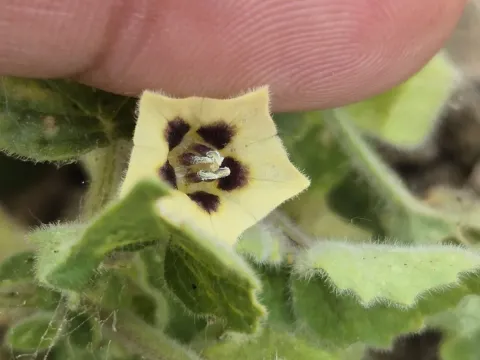
Florida groundcherry
Physalis floridana
The Florida groundcherry, known scientifically as Physalis floridana, is an annual herbaceous plant belonging to the Solanaceae family. It is valued for its rapid growth cycle and is typically cultivated as an annual crop in gardens and agricultural settings.
What the section contains
Florida groundcherry
The cultivation process usually begins with starting seeds indoors. This allows the plants to establish a strong root system before being transplanted into the field, ensuring they can take full advantage of the growing season.
Sowing should occur about six weeks before the last frost date. Using a high-quality, sterile seed-starting mix ensures the best germination results, as the seeds are relatively small and need consistent moisture to sprout effectively.
Once seedlings have developed at least two true leaves, they should be transplanted into individual containers. This process, known as potting up, provides more space for roots to expand and prevents overcrowding in the seedling tray.
Transplanting into the permanent field location happens once the soil has warmed and nighttime temperatures are consistently above freezing. Proper spacing is essential to ensure adequate airflow around each individual plant.
Physalis floridana thrives in locations with full sun exposure. While the plant can tolerate light partial shade, maximum yield and fruit sugar content are achieved when the plant receives at least six to eight hours of direct sunlight daily.
The soil should be well-drained, fertile, and slightly acidic to neutral in pH. Sandy loam soils are ideal as they allow roots to penetrate easily while preventing water stagnation, which the plant is sensitive to.
Watering practices must be consistent to prevent fruit drop and root stress. The goal is to keep the soil evenly moist but never waterlogged, as excessive soil moisture increases the risk of crown rot and other soil-borne diseases.
Nutrient management is straightforward, focusing on balanced fertilization during the vegetative growth stage. As the plants enter the flowering phase, slightly higher potassium levels support better fruit set and development.
The plant benefits significantly from mulch application around the base. Mulching helps retain soil moisture, suppresses weed growth, and keeps the lower fruit off the bare ground, which improves the overall hygiene of the crop.
Yield potential is dependent on optimal management and environmental conditions. Healthy plants are capable of producing a large number of berries, each encased in its characteristic papery husk, which protects the fruit during development.
Under good cultivation practices, a single plant can yield several pounds of fruit throughout the season. The berries are noted for their unique sweet-tart flavor profile, which is highly appreciated in culinary applications.
Strategic pruning can enhance yield by concentrating the plant's energy on fruit development rather than excessive foliage growth. Removing non-productive suckers or crowded branches improves light penetration deep into the canopy.
Regular monitoring for nutrient deficiencies, particularly micronutrients like magnesium and boron, can prevent common issues like blossom drop. Maintaining plant health through proper nutrition directly correlates to increased harvest volume.
The plant's natural growth habit is somewhat spreading, so supporting the plants with small stakes or cages can prevent them from sprawling too much on the ground, making harvesting cleaner and more efficient.
Common solanaceous diseases, such as late blight and various forms of wilting, can affect this crop. Preventive measures are crucial because the Florida groundcherry is susceptible to the same pathogens as tomatoes and potatoes.
Crop rotation is the most effective cultural control strategy. By not planting Physalis floridana in the same location where other nightshades were grown in the previous three years, you significantly reduce the pathogen load in the soil.
Insect pests including aphids and flea beetles can cause damage. Aphids, in particular, are problematic as they can transmit viral infections, so monitoring the undersides of leaves and using row covers can be very effective.
Good field sanitation is essential for managing threats. Promptly removing and destroying any plant debris showing symptoms of disease prevents the spread of spores and insects to healthy parts of the crop or neighboring plants.
Biological controls, such as introducing beneficial insects, can help keep pest populations in check. Avoiding broad-spectrum pesticides preserves these natural predators and supports a more balanced agricultural ecosystem.
Harvesting Physalis floridana is a continuous process as the fruits do not all ripen at the same time. The best way to identify maturity is by the color of the husk, which turns tan or pale yellow and feels dry.
Many growers wait for the fruits to fall to the ground, which is a reliable indicator of ripeness. However, they can also be harvested directly from the plant when the husks show clear signs of turning papery and losing their bright green color.
Once harvested, the berries should be kept in their husks for storage. This natural packaging protects the fruit from bruising and helps maintain freshness for a longer period compared to berries removed from their husks.
Storage in a cool, dry, and well-ventilated area is recommended. Properly stored groundcherries can remain fresh for several weeks, making them a great crop for fresh market sales or personal kitchen use.
After the final harvest, the entire plant residue should be cleared from the field. This cleaning practice reduces the chances of overwintering pests and diseases, keeping the field ready for the next season's crop cycle.