
Golden henbane
Hyoscyamus aureus
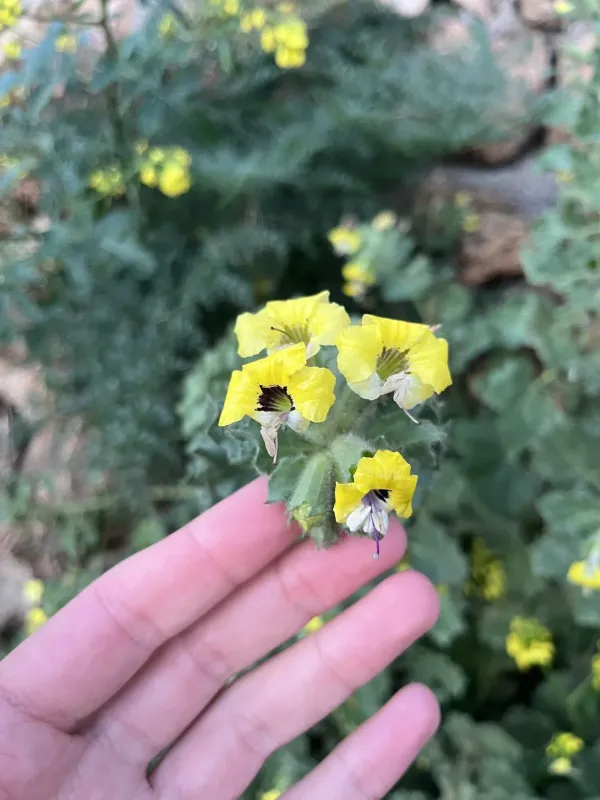
Description
Sowing dates
Golden henbane (Hyoscyamus aureus) is a distinctive member of the Solanaceae family, requiring specific conditions for successful establishment. Seeds should be sown in the spring when soil temperatures reach a consistent 10-12 degrees Celsius. A fine, well-tilled seedbed is crucial for these small seeds to ensure optimal contact with the soil surface.
Seeding depth should be kept shallow, typically between 1 and 2 centimeters, to facilitate rapid germination. Spacing between rows should be approximately 45 to 60 centimeters to allow for adequate air circulation and to minimize competition between individual plants. Uniform distribution within the row helps in achieving consistent growth rates across the field.
Growing requirements
As a thermophilic plant, golden henbane thrives in regions with ample sunlight and long photoperiods. It is native to arid and rocky terrains, which dictates its preference for well-drained, porous soils. Waterlogging is the primary environmental threat to this crop, as it quickly leads to root rot and plant decay.
The soil should ideally be neutral to slightly alkaline, with a good calcium content to support the robust development of the foliage. In an agronomic setting, the application of potassium-based fertilizers is often recommended to enhance plant vigor and secondary metabolite production. Periodic weeding is essential during the early stages of growth to prevent resource competition.
Environmental conditions must be monitored to ensure the plant does not experience excessive moisture during the flowering phase. Dry, sunny weather is preferred during the vegetative stage to promote healthy leaf development. Proper field orientation can help maximize light exposure, which is critical for the plant's metabolic functions.
Yield
The yield of golden henbane is largely dependent on the vegetative mass produced during the growing season. In the first year, the plant focuses on developing a dense basal rosette, which represents the primary harvestable component for pharmaceutical applications. High-density planting can increase total yield but requires careful management to prevent disease spread.
Consistency in crop maturity is vital for achieving standardized yield quality. Harvesters should focus on the timing of collection, as the alkaloid concentration changes significantly during the plant's life cycle. With proper management and fertilization, the crop can provide a sustainable yield for medicinal extraction.
Main diseases and pests
The primary threats to golden henbane include fungal diseases such as powdery mildew, which thrive in humid conditions. Managing humidity and ensuring adequate plant spacing are the most effective non-chemical methods for disease prevention. If fungal outbreaks occur, targeted fungicides may be necessary during the early stages.
Insect pests, including aphids and various leaf-eating beetles, can cause significant damage to the foliage. Monitoring programs should be implemented to detect pest activity before it reaches economic threshold levels. Because the plant is medicinal, pesticide use must be carefully regulated to meet safety and quality standards.
Harvesting
Harvesting is typically conducted at the peak of the flowering stage, which ensures the highest concentration of active compounds. Mechanical cutters or manual sickle harvesting is preferred to ensure a clean cut without damaging the crown of the plant. Collecting the material during the dry part of the day prevents excessive moisture in the harvested biomass.
Post-harvest processing involves immediate drying in controlled, well-ventilated environments. Keeping the temperature below 45 degrees Celsius is essential to preserve the chemical integrity of the plant material. Proper storage in cool, dry conditions maintains the quality of the harvested henbane until it can be processed for further use.