
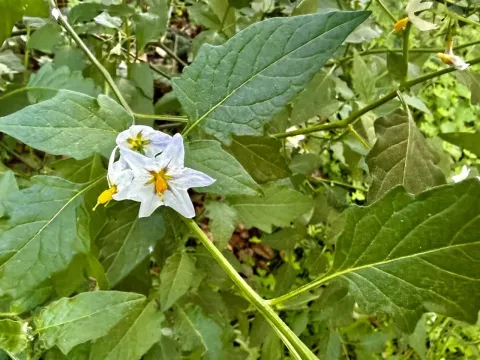
Forked nightshade
Solanum furcatum
Forked nightshade (Solanum furcatum) belongs to the Solanaceae family. It is a hardy herbaceous species that is increasingly recognized in specific agricultural contexts.
What the section contains
Forked nightshade
Sowing should begin in controlled environments such as greenhouses or hotbeds during late winter or early spring to ensure a long enough growing season.
Seeds are sown in trays with a fine, nutrient-rich potting medium. Germination is successful when temperatures are consistently maintained between 20 and 22 degrees Celsius.
Seedlings are ready for transplanting once the risk of frost has completely passed. They should be hardened off for a week before moving to the field.
The spacing between plants must be carefully managed to allow sufficient airflow, typically aiming for 45–60 centimeters between individual plants.
This crop thrives in well-drained, fertile soil. It performs best in a sunny location where it can receive at least six to eight hours of direct light daily.
Soil pH should ideally be neutral or slightly acidic. Proper organic matter integration before planting significantly enhances the overall plant vigor.
Watering frequency depends on local climatic conditions; however, consistent moisture is vital during the flowering and fruiting stages to prevent fruit drop.
Mulching is highly recommended to retain soil moisture and suppress weed growth, which is essential for maintaining a high-quality crop.
Regular fertilization with balanced nutrients ensures that the plant develops a robust root system and strong stems capable of supporting the harvest.
Like other members of the Solanaceae family, this plant is susceptible to late blight, which is a significant threat during periods of high humidity and rainfall.
Alternaria leaf spot is another fungal disease that requires careful monitoring. Keeping the foliage dry through proper spacing helps mitigate this risk.
Insect pests such as Colorado potato beetles and various types of aphids can cause severe damage if not managed early in the development cycle.
Spider mites might become an issue in hot, dry weather. Regular misting or the use of acaricides can help manage their populations.
Implementing a strict crop rotation schedule prevents the buildup of soil-borne pathogens and pests common to the nightshade family.