
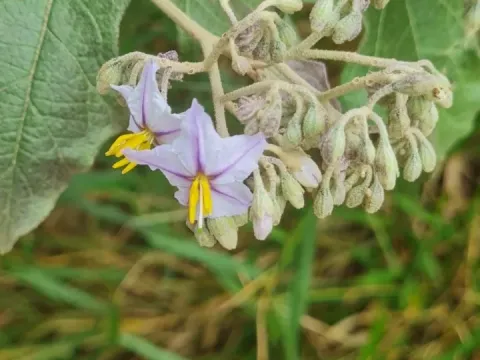
Jurubeba
Solanum paniculatum
Solanum paniculatum, commonly known as Jurubeba, is a perennial shrub belonging to the Solanaceae family. It is recognized by its paniculate inflorescences and often features small prickles on its branches and leaves, typical of many tropical Solanum species.
What the section contains
Jurubeba
The plant originates from the tropical regions of South America, primarily Brazil. It thrives in open, sunny environments and is known for its ability to colonize disturbed lands, demonstrating significant hardiness and adaptability.
For agricultural cultivation, Jurubeba requires well-drained, sandy-loam soils that are rich in organic matter. While it is tolerant of various soil types, maintaining a slightly acidic to neutral pH level is optimal for nutrient uptake.
The climate requirements include high temperatures and adequate rainfall, as it is a tropical plant. It does not tolerate frost, which makes it suitable primarily for warm temperate or tropical agro-climatic zones.
Economic use of this plant is largely centered on its medicinal properties, particularly in treating hepatic and digestive disorders. It contains bioactive compounds such as steroidal alkaloids and saponins, which are in demand in the pharmaceutical industry.
Pest management for Jurubeba primarily focuses on controlling insects that feed on the foliage. Aphids and whiteflies are common visitors that can introduce viral pathogens into the plant population.
Fungal pathogens such as leaf spot diseases, caused by various species of Alternaria, often appear during humid seasons. Good horticultural hygiene and adequate plant spacing are essential for preventing the rapid spread of infections.
Root rot, often caused by Pythium or Phytophthora species, is a significant threat when soil drainage is poor. Ensuring that the planting site prevents waterlogging is a critical preventative measure.
Beetles, specifically those that target the Solanaceae family, can defoliate the shrub if left unchecked. Integrated Pest Management (IPM) strategies, including the use of biological controls, are highly recommended.
Viral mosaic diseases present a long-term challenge, as they cause stunted growth and reduced yields. To mitigate this risk, farmers should source high-quality planting material and eliminate alternate hosts from the field boundaries.