
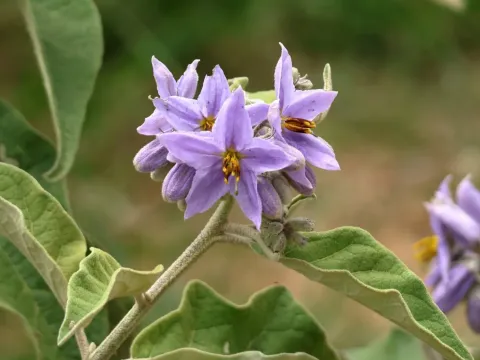
Lance-leaved nightshade
Solanum lanceolatum
The lance-leaved nightshade (Solanum lanceolatum) is a robust perennial shrub belonging to the diverse Solanaceae family. It is known for its distinctive lance-shaped leaves and soft pubescence covering the stems and foliage.
What the section contains
Lance-leaved nightshade
Native to the tropical regions of Central America and Mexico, this plant is well-adapted to high-altitude mountainous environments. It thrives in areas where light conditions are intense and temperatures remain relatively stable throughout the year.
Cultivation requires well-draining, nutrient-rich soil with a slightly acidic to neutral pH. Providing an environment that mimics its natural habitat—warm and airy—is crucial for maintaining healthy growth and preventing physiological stress.
The plant demonstrates high sensitivity to frost and cold climates. In temperate zones, it is typically grown in controlled environments like greenhouses to ensure it receives sufficient warmth for development during the active growing season.
Economically, the species is researched for its phytochemical properties. The presence of specific steroidal alkaloids makes it a subject of interest in pharmaceutical studies and traditional medicine practices in its native range.
Fungal pathogens such as powdery mildew represent a significant threat to the plant, especially in high-humidity conditions with poor air circulation around the foliage.
Pest pressure is primarily driven by sap-sucking insects, including aphids and spider mites, which can cause significant stunted growth if populations are not managed early.
The Colorado potato beetle remains a primary threat to any species within the Solanum genus, posing a risk of rapid defoliation if left unchecked by integrated pest management.
Viral mosaic diseases are commonly transmitted by insect vectors. Symptoms include mottled patterns on the leaves and distorted growth, which often necessitate the removal of infected plants.
Root system health is frequently compromised by soil-borne pathogens like Phytophthora, which occur when irrigation schedules are not strictly aligned with the plant's moisture requirements.