
Jimsonweed
Datura
Sowing of Jimsonweed (Datura stramonium) in agricultural settings is performed in early spring once soil temperatures reach at least 10–12°C.
What the section contains


Jimsonweed
It is crucial to avoid sowing before the last frost date, as the seedlings are highly susceptible to cold damage and stunted growth.
Industrial cultivation typically employs row sowing with a spacing of 60–70 cm to facilitate mechanical weeding and crop care.
Seeds are placed at a depth of 3–4 cm to ensure optimal moisture contact and promote uniform germination across the field.
Seed priming or pre-treatment with growth stimulants is highly recommended to improve the germination rate and vigor of young plants.
As a member of the Solanaceae family, Jimsonweed is a warmth-loving crop that thrives in sunny locations with high solar radiation.
The ideal soil conditions consist of fertile, well-drained loams with a neutral or slightly acidic pH for optimal alkaloid synthesis.
The plant requires a steady supply of moisture during the vegetative phase but must be protected from waterlogging to prevent root rot.
Proper field management includes regular cultivation between rows to eliminate weed competition and improve soil aeration.
As an annual crop, it benefits from a consistent climate with a long growing season to reach full maturity before the first frost.
Crop yields for leaves and seeds are significantly influenced by fertilization regimes, specifically nitrogen levels and irrigation management.
Yields of dried leaf material generally range from 0.5 to 1.2 tonnes per hectare depending on regional environmental conditions.
The accumulation of alkaloids is most intense during the flowering stage, which serves as the primary indicator for harvesting timing.
Crop rotation is essential, and it is advised not to replant Datura on the same soil for at least three to four years to avoid pathogen buildup.
Integrated farm management and proper soil nutrient balance are the keys to achieving high yields and medicinal quality standards.
Fungal diseases, such as Fusarium wilt and Alternaria, pose the most significant risk to crop health, especially in damp conditions.
Common pests include the Colorado potato beetle and various aphid species, which feed on the foliage and decrease the market value of the harvest.
Spider mites frequently target the crop during hot, dry summer periods, requiring vigilant monitoring and timely insecticidal applications.
Powdery mildew may develop in dense plant stands with poor air circulation, necessitating thinning and proper canopy management.
Effective pest control strategies involve regular scouting and the use of approved pesticides to manage outbreaks before they spread.
Leaf harvesting is carried out during the flowering period, focusing on healthy, mature leaves while avoiding damage to the main stem.
The collected raw material must be dried immediately in shaded, well-ventilated areas or industrial driers at 40–50°C to preserve quality.
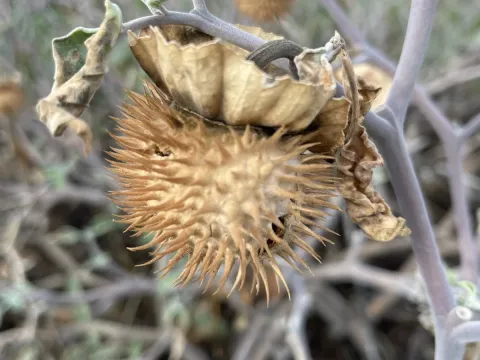
Seed pods are harvested as they mature but before they naturally split open to prevent seed dispersal and crop loss on the field.
Stringent safety protocols are required during all harvest operations due to the highly toxic nature of the plant to humans and livestock.
All finished medicinal products must be stored in specialized, marked containers indicating their poisonous nature for secure transport.