
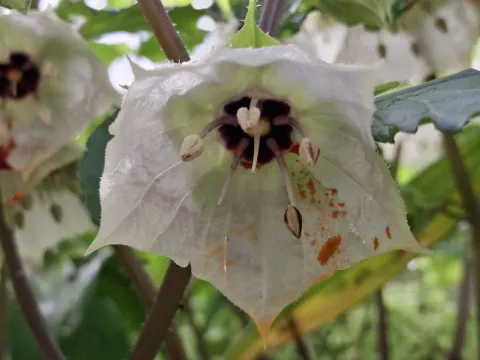
Jaltomata
Jaltomata
Jaltomata is a genus within the Solanaceae family that encompasses numerous species known for their small, berry-like fruits. As an emerging agricultural crop, it requires careful attention to climate and sowing times to ensure optimal development in temperate or subtropical zones.
What the section contains


Jaltomata
Sowing should begin in late winter or early spring in a climate-controlled greenhouse to give the plants a head start before the growing season. Seeds require a consistent temperature, typically around 20-25°C, to germinate successfully, and they benefit from a high-quality, sterile seed-starting mix.
Once the seedlings develop their first true leaves, they should be transplanted into larger pots to encourage a robust root system. This step is vital for the plant to withstand the transition to outdoor soil later in the season.
Hardening off the seedlings is a critical phase; gradually exposing them to outdoor conditions over 1-2 weeks prevents transplant shock. Plants should only be moved to their final location when all risk of frost has passed.
Spacing is essential to prevent overcrowding, which can reduce airflow and promote disease. A distance of 50-60 cm between plants is generally recommended to provide enough room for growth and easy access during maintenance.
These plants thrive in full sun and well-drained, fertile soil rich in organic matter. A slightly acidic to neutral pH level is ideal, as it allows for the optimal uptake of essential nutrients needed for berry production.
Watering requirements are consistent but necessitate a careful balance. Overwatering leads to root rot, while inconsistent moisture can cause flower drops or fruit splitting. A drip irrigation system is often the most effective method for maintaining soil moisture.
Applying a layer of organic mulch helps regulate soil temperature and moisture levels. It also suppresses weeds that compete with the plant for nutrients, reducing the need for mechanical weeding.
Fertilization should focus on phosphorus and potassium during the flowering and fruiting stages to enhance yield and fruit quality. Avoid excessive nitrogen, which promotes vegetative growth at the expense of fruit formation.
Protection from strong winds is necessary to prevent mechanical damage to the stems, as the plant can become top-heavy when loaded with fruit. Simple staking or trellising is recommended for better support.
The yield of Jaltomata varies based on the specific species and local growing conditions. These plants are prolific producers, often forming multiple clusters of berries throughout the season.
Consistent harvesting encourages the plant to continue producing flowers and new fruit. Under optimal conditions, a single well-maintained plant can produce a substantial harvest, making it a valuable addition to both hobby and small-scale commercial gardens.
The berries are typically harvested when they reach their characteristic deep color and slightly soft texture. They possess a unique flavor profile that is often described as complex, combining sweetness with subtle earthy undertones.
Managing the plant's architecture through pruning can significantly improve yield by redirecting energy toward fruit production. Removing suckers and thinning dense foliage ensures that light reaches the developing berries.
For high-yield scenarios, maintaining good plant health is key. Proper pollination, whether by natural pollinators or gentle agitation of the plants, ensures a higher number of successful fruit sets.
Jaltomata is susceptible to common Solanaceae pests and diseases. Late blight and various fungal pathogens thrive in humid, poorly ventilated environments, requiring proactive management through spacing and fungicide application if necessary.
Aphids and spider mites are frequent invaders, especially during dry spells. These pests can weaken the plant and transmit viruses, so early detection and the use of insecticidal soaps or biological controls are recommended.
Soil-borne diseases like bacterial wilt pose a significant threat in warmer regions, especially if crop rotation is not practiced. Moving the crop to a new site every year helps break the disease cycle.
- Late blight: Requires good airflow and preventive treatments.
- Aphids: Can be controlled with natural predators or mild soaps.
- Root rot: Caused by poor drainage or overwatering.
- Tomato fruit worm: Occasionally targets the developing berries.
An integrated pest management (IPM) approach, combining cultural practices with targeted organic controls, is the best strategy for maintaining a healthy and productive crop throughout the summer months.
Harvesting should be performed carefully, ideally during the cool morning hours to maintain the fruit's firmness. Since the fruits ripen sequentially, daily or bi-daily picking is often required to maximize the harvest.
Using small clippers is preferred to cutting the berries individually, which avoids snapping the delicate branches. It is also important to discard any fruit showing signs of spoilage or pest damage immediately.
The delicate nature of the berries makes them difficult to transport over long distances without damage. Therefore, marketing them locally or processing them into jellies and jams is often the best approach for commercial growers.
Before the first frost of the autumn, all remaining fruits should be harvested. Even green or partially colored berries can often ripen indoors when placed in a warm, dry area away from direct sunlight.
Proper storage is limited due to the fruit's high water content and thin skin. Cooling the berries quickly after harvest can extend their shelf life by a few days, ensuring a higher quality product for the final consumer.