
Jaborosa
Jaborosa
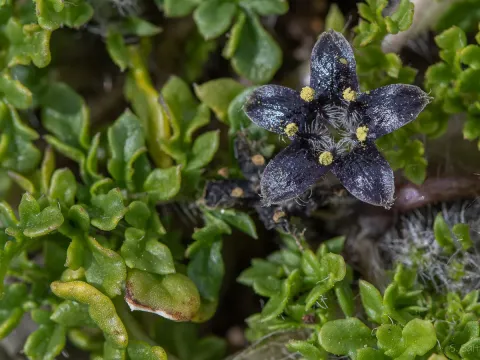
Jaborosa is a genus of perennial herbaceous plants belonging to the Solanaceae family. These plants are recognized for their distinct underground rhizomes, which allow them to spread effectively across their native habitats in South America, particularly in Argentina and Chile.
What the section contains


Jaborosa
In terms of habitat, Jaborosa prefers temperate climates. It is adapted to environments where it can utilize subterranean vegetative expansion to survive periods of drought or unfavorable weather. As a botanical specimen, it is cherished for its uniquely shaped flowers.
Regarding soil requirements, Jaborosa demands well-drained, porous substrates. It is essential to ensure that the soil does not retain excessive moisture, as this leads to rapid decay of the delicate root system. A neutral or slightly acidic soil pH is ideal for promoting growth.
Light exposure is a critical factor for the development of Jaborosa. While it appreciates sunny locations, it should be protected from intense, direct midday sun to prevent leaf scorching. Adequate ventilation is also necessary to maintain plant vigor.
Agrotechnical practices include maintaining consistent soil moisture and providing a balanced fertilizer during the vegetative stage. Proper spacing is required to prevent crowding, which can facilitate disease transmission in compact planting areas.
The primary threats to Jaborosa include various fungal infections, notably root rot and damping-off, which are triggered by waterlogged conditions. Preventive measures such as improving drainage and ensuring adequate aeration of the soil are paramount.
Pests that frequently target this genus include common Solanaceae pests like aphids, spider mites, and whiteflies. Monitoring the underside of leaves for early signs of infestation and applying appropriate organic or chemical controls is necessary for successful maintenance.