
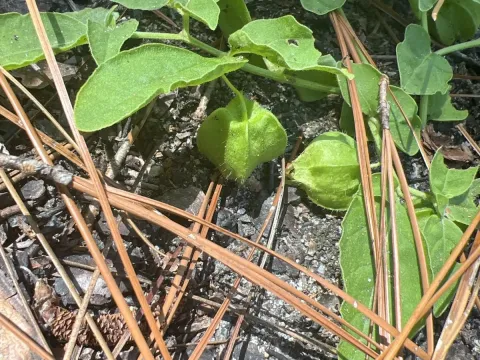
Lance-leaved groundcherry
Physalis lanceolata
Physalis lanceolata, commonly known as the lance-leaved groundcherry, is a perennial herbaceous plant belonging to the Solanaceae family. Propagation is primarily achieved through seeds, which require a warm germination environment to ensure high success rates during the early stages.
What the section contains
Lance-leaved groundcherry
In temperate zones, sowing should begin indoors in late winter to ensure the plants reach sufficient maturity before transplanting. Seeds should be sown in a sterile, light potting medium at a depth of approximately 0.5 to 1 centimeter.
Seedlings should be moved to individual pots once they develop their first set of true leaves. This promotes a robust root system and prevents competition between seedlings for nutrients and growing space.
Hardening off is a vital step in the cultivation process. Before moving the plants to their permanent outdoor location, they must be gradually exposed to external conditions such as wind, temperature fluctuations, and direct sunlight over 10-14 days.
Transplanting to the field must only occur once all danger of frost has passed and the soil has sufficiently warmed up, as the lance-leaved groundcherry is highly sensitive to cold, which can stunt or kill young plants.
The lance-leaved groundcherry thrives in full sun, requiring at least six to eight hours of direct light daily to produce healthy foliage and fruit. Partial shade can lead to leggy, weak plants and reduced yield.
Well-drained, sandy loam soils are ideal for this species. It is important to avoid heavy, clay-rich soils that retain excess moisture, as these conditions significantly increase the risk of root rot and other moisture-related diseases.
While the plant is relatively resilient to dry spells once established, consistent moisture is necessary during the fruit development stage. Drip irrigation is recommended to supply water directly to the root zone without wetting the foliage.
Soil fertility can be managed with moderate applications of compost or balanced organic fertilizers before planting. Excessive nitrogen should be avoided, as it encourages dense vegetative growth at the expense of fruit production.
Proper spacing is crucial for airflow, with plants typically spaced 45-60 centimeters apart. Good circulation helps minimize the humidity levels around the foliage, which is essential for disease prevention.
As a member of the Solanaceae family, Physalis lanceolata is susceptible to common pests such as the Colorado potato beetle, aphids, and various species of flea beetles, which can cause significant damage to young leaves.
Fungal diseases like early blight and late blight represent the most serious threats, especially in humid and warm climates. These can manifest as dark spots on leaves, eventually leading to plant collapse if left untreated.
Root rot, often caused by poor drainage or overwatering, can weaken the plant and make it vulnerable to secondary infections. Ensuring optimal soil structure and avoiding waterlogged areas are primary control measures.
Viruses, such as the tobacco mosaic virus, can occasionally affect groundcherries. These are usually transmitted by sap-sucking insects, highlighting the importance of integrated pest management in the field.
Crop rotation is an essential agricultural practice to reduce the pressure from soil-borne pathogens. Planting groundcherries in the same location as tomatoes or potatoes should be avoided for at least three seasons.
Harvesting usually occurs in late summer or autumn. The fruit is ready for collection when the papery husk turns tan or brown and begins to dry out, signaling that the berry inside has reached maturity.
Ripe fruits often drop from the plant on their own. Regular daily or bi-weekly collection is necessary to prevent the fallen fruit from rotting on the moist ground, which compromises quality and safety.
For best results, store harvested fruits with their husks intact in a cool, dry area with good ventilation. This allows them to stay fresh for several weeks while maintaining their unique flavor profile.
The fruit of the lance-leaved groundcherry is valued for its culinary uses, including fresh consumption, jams, and sauces, providing a distinct tart-sweet flavor that is highly appreciated by many consumers.
After the final harvest, the plant debris should be cleared from the field. Removing the old stalks prevents the overwintering of pests and spores, keeping the field healthy for the next planting season.