
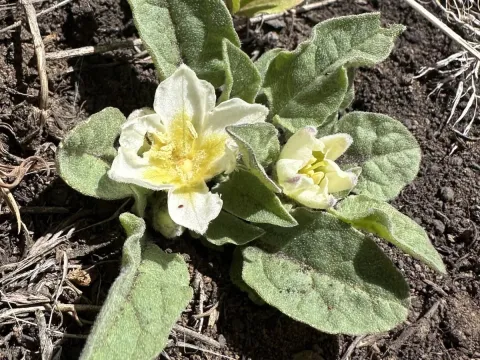
Leucophysalis
Leucophysalis
Leucophysalis is a heat-loving crop belonging to the Solanaceae family, requiring a long growing season. In cooler climates, it is essential to start seeds indoors about 6 to 8 weeks before the last expected spring frost date to ensure plant maturity.
What the section contains


Leucophysalis
Sow seeds in a high-quality, sterile seed-starting mix at a depth of about 0.5 centimeters. Keep the containers in a warm spot with temperatures between 22 and 25 degrees Celsius to promote uniform and rapid germination.
Once the seedlings develop their first set of true leaves, transplant them into individual pots to prevent root crowding. This promotes a strong root system, which is vital for the plant to successfully establish itself in the garden soil later.
Before moving the plants to their final location, they must undergo a hardening-off period. Gradually expose them to outdoor conditions, including indirect sunlight and cooler breezes, over the course of 7 to 10 days to minimize transplant shock.
Plant in the open ground only after all risks of frost have passed and the soil has sufficiently warmed up. Proper spacing, typically 50 centimeters apart, ensures good airflow and reduces the risk of foliar diseases during the humid summer months.
Leucophysalis thrives in full sun, which is necessary for fruit development and flavor intensity. The soil should be fertile, well-draining, and rich in organic matter, such as compost or aged manure, to provide the nutrients required for vigorous growth.
The plant prefers a neutral soil pH between 6.0 and 7.0. If the soil is too acidic, amending it with lime prior to planting can help balance the pH and improve the bioavailability of essential micronutrients.
Regular irrigation is necessary, particularly during the flowering and fruit-setting phases. However, it is crucial to avoid waterlogged conditions, which can lead to root rot; using mulch can help maintain even soil moisture levels throughout the season.
Fertilizing with a balanced, slow-release organic fertilizer at planting and a secondary potassium-rich application mid-season will support fruit production. Avoid excessive nitrogen, which can lead to lush foliage growth at the expense of fruit set.
Weeding is essential, especially in the early stages of growth, as the plant does not compete well with vigorous weeds. Frequent shallow cultivation or organic mulching helps keep the area clear and preserves soil structure.
Yield potential is optimized by maintaining consistent growing conditions. Given sufficient light, steady moisture, and proper nutrient levels, each plant can produce a prolific amount of fruit throughout the late summer and autumn.
Fruit development is indeterminate, meaning the plant will continue to produce until the first frosts. For the highest quality harvest, pick fruits regularly to encourage the plant to continue producing new blossoms and setting fruit.
To maximize harvest efficiency, use trellising if the plants become too sprawling. Supporting the branches keeps the fruit off the ground, reducing damage from soil-borne pathogens and making the harvesting process significantly easier.
The total yield is largely dictated by the length of the frost-free season. In greenhouse environments, the harvest period can be extended significantly, allowing for much greater production volumes compared to open-field cultivation.
High-quality fruits are firm and exhibit the characteristic coloration of the species. Proper post-harvest handling, including sorting and careful storage, ensures that the produce maintains its quality for marketing or home consumption.
Like other Solanaceae members, Leucophysalis is susceptible to common pests and diseases such as blight, aphids, and spider mites. Proactive monitoring of the foliage and stems is essential for early detection and mitigation.
Implementing a strict crop rotation schedule is the most effective way to prevent the buildup of soil-borne diseases. Avoid planting Leucophysalis in soil where tomatoes, potatoes, or peppers have been grown in the previous three years.
Good cultural practices, such as providing adequate plant spacing and ensuring good drainage, significantly reduce the incidence of fungal issues. If necessary, use integrated pest management strategies to control outbreaks.
- Blight: Causes dark spots on leaves and stems.
- Aphids: Small insects that sap plant vitality.
- Spider mites: Cause yellowing and stippling of foliage.
Organic treatments, including neem oil or insecticidal soaps, can be used to manage localized infestations. Keeping the garden area clean of debris also reduces the habitat for many common horticultural pests.
Harvesting should occur when the husks begin to dry out, turn tan or papery, and the fruit inside achieves its mature color. This is the stage at which the sugar content and flavor profile are most developed.
The husks serve as a natural storage container. For the best shelf life, harvest the fruit with the husks intact, as this protects the delicate skin from abrasions and helps regulate moisture levels during storage.
If the season is ending and the fruit is not fully mature, you can harvest it and allow it to ripen in a cool, well-ventilated area indoors. This post-harvest ripening is effective for extending the availability of the crop.
Store harvested fruits in a cool, dry place. Proper airflow between the husks is important to prevent mold growth, so avoid piling the fruit too deeply in storage containers; a single or double layer is ideal.
Leucophysalis is highly versatile in culinary applications, used in everything from preserves and jams to fresh additions in salads. Its unique, sweet-tart flavor makes it a sought-after ingredient for gourmet and specialty markets.