
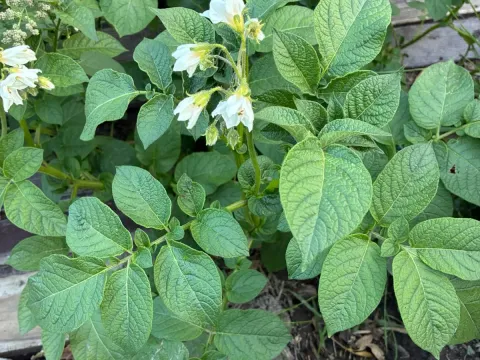
Solanum phureja
Solanum phureja
Solanum phureja is a diploid potato species native to the Andean region, known for its rapid maturity and lack of a pronounced tuber dormancy period.
What the section contains
Solanum phureja
In its native environment, the crop can be planted throughout the year, provided there is adequate moisture and favorable temperature conditions for growth.
For commercial cultivation, timing depends on the regional climate; in temperate zones, planting should occur after the risk of frost has completely passed.
Optimal soil temperature for sprouting and initial establishment should range between 10 and 15 degrees Celsius to ensure vigorous early development.
Spacing guidelines involve planting tubers at a depth of 10 centimeters, with enough space between rows to allow for hilling and proper air circulation.
As a member of the Solanaceae family, this species thrives in high-altitude environments characterized by mild daytime temperatures and cool nights.
Well-drained, sandy loam soils are ideal for the development of tubers, as they prevent waterlogging and reduce the risk of root-related pathogens.
The plant requires high levels of solar radiation but can be sensitive to extreme heat, which may inhibit photosynthesis and reduce overall tuber quality.
Irrigation management is crucial; the soil should remain consistently moist, especially during the stage of stolon formation and tuber enlargement.
Maintaining proper pH levels between 5.5 and 6.5 helps optimize nutrient uptake, ensuring that the plant receives necessary phosphorus and potassium.
Yield capacity for Solanum phureja is often lower than that of modern tetraploid potato varieties, but its culinary value is significantly higher.
Tuber size is generally smaller, and the crops are prized for their yellow flesh, intense flavor, and rapid cooking time in culinary applications.
Advancements in breeding programs are aimed at increasing yield potential while preserving the specific organoleptic traits of this unique botanical species.
The number of tubers per plant depends on the genotype and environmental stressors encountered during the early stages of the growing season.
Success in production is defined by a consistent supply of quality tubers that meet the high standards of gourmet markets and ethnic food industries.
Late blight is the most significant threat to Solanum phureja, requiring proactive monitoring and potential application of targeted fungicidal treatments.
The absence of tuber dormancy makes the crop particularly susceptible to sprouting in storage, which demands sophisticated climate-controlled facilities.
Pest pressure from aphids and nematodes can significantly impact plant health, potentially leading to the transmission of viral diseases within the crop.
Integrated pest management strategies should be employed to protect the plants while minimizing the use of synthetic chemicals in the field.
- Routine scouting for early symptoms of fungal pathogens.
- Rotation with non-Solanaceous crops to break pest cycles.
- Use of disease-free seed stock.
Harvesting usually occurs shortly after the vine senescence, as the crop is an early-maturing variety that does not stay in the ground for prolonged periods.
Tubers should be handled with extreme care due to their thin skins, which are prone to bruising and mechanical damage during the harvesting process.
Post-harvest curing is essential to harden the skin and ensure that any minor wounds sustained during collection are properly healed before long-term storage.
Storage facilities must be maintained at low temperatures to slow down the metabolic rate and delay the natural tendency for post-harvest sprouting.
Proper harvest logistics are vital for maintaining the quality and freshness required by high-end markets that prioritize the unique traits of this potato.