
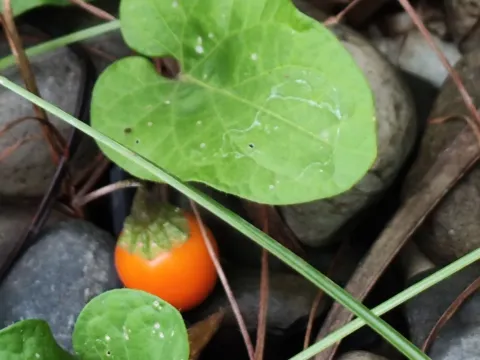
Lycianthes
Lycianthes
Lycianthes is a diverse genus belonging to the Solanaceae family, comprising species that range from small herbs to climbing shrubs found in tropical areas.
What the section contains

Lycianthes
Propagation is typically initiated through seeds, which require a warm, stable environment and a well-draining seed-starting mix to ensure successful germination.
Sowing should be performed in shallow trays, keeping the seeds barely covered with soil and maintaining consistent moisture levels until seedlings appear.
Once seedlings have reached a sufficient size, they should be transplanted into individual pots to avoid overcrowding and to promote a healthy root structure.
Careful handling of the delicate seedlings is paramount to ensure their establishment in the greenhouse or controlled growing environment.
The cultural requirements for Lycianthes focus primarily on maintaining tropical-like conditions, including high humidity and temperatures between 20°C and 28°C.
Soil should be rich in organic matter, loose, and possess excellent drainage capabilities to prevent the root rot common in many Solanaceous plants.
Proper light exposure is essential; while they enjoy bright conditions, filtered or indirect light is generally preferred to protect the foliage from scorching.
Regular fertilization with balanced nutrients, adjusted for the specific growth phase, is necessary to support the plant's metabolic and reproductive functions.
Environmental management involves keeping the greenhouse well-ventilated to prevent stagnant air, which can lead to moisture-related stress and disease development.
Pest management for Lycianthes involves vigilant monitoring for common greenhouse invaders such as aphids, spider mites, and whiteflies.
Fungal pathogens like damping-off or leaf spot diseases pose significant risks, especially in conditions where air circulation is insufficient or humidity is too high.
Early detection is the most effective defense, requiring daily inspection of the underside of leaves where many pests initiate their colonies.
Chemical control should be used judiciously, prioritizing biological solutions or soaps when possible to maintain the safety of the growing environment.
Adherence to strict sanitation practices, such as sterilizing tools and removing dead plant tissue, helps significantly in mitigating disease outbreaks.