
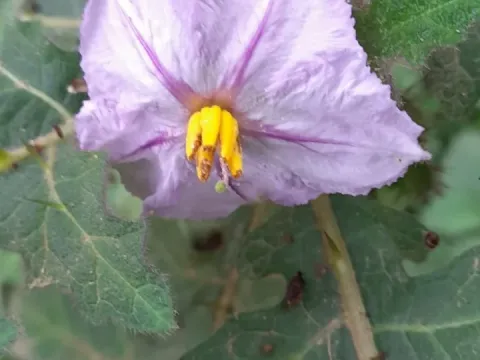
Solanum dasyphyllum
Solanum dasyphyllum
Solanum dasyphyllum is a perennial herb or subshrub belonging to the Solanaceae family, native to tropical Africa. In agricultural practice, it is primarily cultivated as an annual crop due to its sensitivity to frost and cold climates.
What the section contains
Solanum dasyphyllum
The sowing process begins in a controlled environment, such as a greenhouse or a nursery, using well-drained, nutrient-rich potting soil. Seeds should be sown at a depth of 0.5 to 1 cm to ensure optimal germination.
Temperature control is crucial during the early stages; the soil must remain consistently warm, between 22 and 25 degrees Celsius, to support healthy seedling emergence.
Seedlings should be transplanted into individual pots once the first true leaves appear to encourage root development, ensuring the plant is robust enough for the final transplant.
Final planting into the field should occur only when the risk of frost has completely passed and the soil has sufficiently warmed, allowing for stable growth without thermal stress.
This crop thrives in full sunlight, requiring at least 6 to 8 hours of direct exposure daily to develop dense foliage and produce a high-quality yield of fruits.
Soil quality is paramount; the plant prefers loamy or sandy soil with an acidic to neutral pH and excellent drainage properties to prevent root rot, a common issue in waterlogged conditions.
Water management is vital during the flowering and fruit-setting phases. Consistent moisture prevents fruit drop, but excessive watering during ripening must be avoided to keep fruit texture firm.
Balanced fertilization, particularly with potassium-rich compounds during the reproductive phase, significantly enhances the plant's productivity and the overall health of the crop.
The plant grows best in temperatures between 20 and 30 degrees Celsius. Protecting the crop from strong winds in open fields can also prevent physical damage to the stems.
The economic value of Solanum dasyphyllum lies in its edible fruits, which are used in local culinary traditions. The fruit's texture and taste profile make it an interesting addition to vegetable production.
Yields are highly dependent on the length of the growing season. In optimal conditions, a single plant can produce a substantial number of fruits, contributing to a reliable harvest volume.
Harvesting is typically done manually, selecting fruits that have reached technical maturity. The color change of the fruit serves as a reliable indicator for the optimal harvest time.
Proper post-harvest handling is necessary to maintain the freshness of the product. The fruits should be collected during the cool parts of the day and stored in ventilated containers.
Future agricultural research aims to select high-yielding cultivars to improve the commercial viability of this species in diverse climates.
Typical threats include common nightshade pests such as the Colorado potato beetle, aphids, and spider mites, which can rapidly diminish plant vigor if left unmanaged.
Fungal pathogens like blight pose a significant risk, especially in regions with high humidity or frequent rainfall. Preventive fungicide applications and proper spacing are recommended strategies.
Bacterial wilt can be a devastating issue in warmer regions, highlighting the importance of using certified seeds and rotating crops to avoid planting in infested soil.
Weed competition is a concern during the establishment phase, as the plant grows relatively slowly at the start and requires a clean environment to thrive.
- Use of integrated pest management (IPM) practices.
- Regular field monitoring for early signs of disease.
- Maintaining soil health through organic matter incorporation.
The harvest period is generally extended as fruits mature sequentially throughout the season. Regular picking ensures that plants continue to produce new fruit clusters.
Careful handling during harvest prevents bruising, which can lead to rapid decay of the fruit. Ventilated crates are ideal for storing the harvest before processing or sale.
If harvesting for seed production, fruits should be allowed to reach full physiological maturity on the plant before being collected to ensure high seed viability.
Cleanliness in the field post-harvest is essential; removing all plant debris prevents the buildup of pathogens and pests for the subsequent season.
Proper sorting and grading of fruits by size and quality help in achieving a better market price and ensuring the satisfaction of the end consumer.