
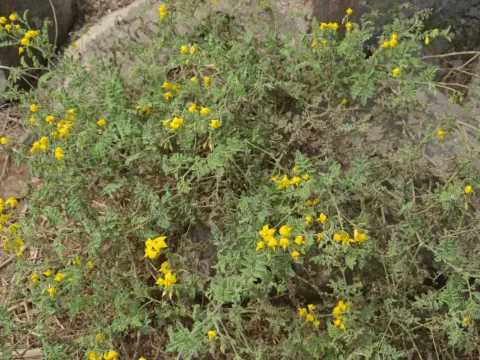
Solanum corneliomulleri
Solanum corneliomulleri
Solanum corneliomulleri is a wild species belonging to the Solanaceae family. It is a botanical relative of the domestic potato, primarily originating from the high-altitude regions of the Peruvian Andes.
What the section contains
Solanum corneliomulleri
This species has evolved in harsh, high-mountain environments characterized by drastic day-night temperature fluctuations. It naturally thrives in well-drained, often rocky or sandy soils that prevent moisture accumulation.
Botanically, the plant exhibits traits essential for survival in its native range, including a resilient root system and efficient nutrient uptake. Its genetic profile is highly valued for research into drought tolerance.
Cultivation requires specific environmental conditions, primarily cool temperatures and precise moisture levels. The species is highly sensitive to waterlogging, which quickly leads to root rot and systemic plant failure.
Agricultural techniques must mimic its natural high-light habitat. Providing adequate ventilation and a consistent day length is crucial for maintaining the vigor and health of these plants in ex-situ collections.
As a wild Solanum species, it faces typical threats associated with the nightshade family. Pathogen pressure is significant, especially in non-native environments where natural immunity may not be sufficient.
Late blight remains the most severe threat, often exacerbated by high humidity and poor air circulation. This disease can rapidly defoliate the plant if not managed through strict environmental controls.
Insect pests such as aphids and the Colorado potato beetle pose a dual threat by causing physical damage and acting as vectors for systemic viral infections that are hard to eradicate.
Nematodes represent a critical issue for the plant's underground parts. Infestation can severely hamper root growth, weakening the entire organism and reducing its overall resilience against secondary infections.
Integrated pest management strategies are recommended, focusing on early detection and the use of protected cultivation environments to shield the plants from external disease vectors.