
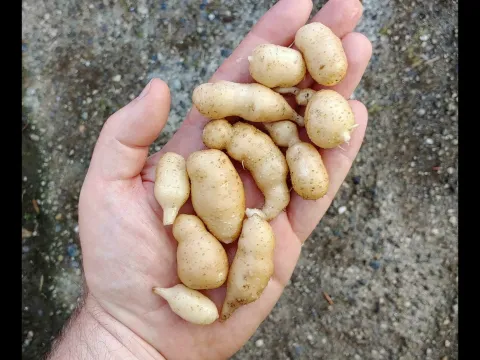
Solanum colombianum
Solanum colombianum
Solanum colombianum is a wild species belonging to the Solanaceae family, widely recognized for its close genetic relationship to the common potato.
What the section contains
Solanum colombianum
The plant originates from the Andean regions, specifically in Colombia, Ecuador, and Venezuela, where it thrives in high-altitude environments characterized by cool and humid conditions.
For successful cultivation, it requires nutrient-rich, well-draining soil that mimics the mountainous volcanic substrates found in its native habitat.
The climate requirements include stable, moderate temperatures. The species is sensitive to extreme heat, which can disrupt its physiological processes and development cycles.
Agricultural management requires careful attention to soil moisture levels, as constant moisture is beneficial, but waterlogging is detrimental to the plant's health and root vitality.
The species faces significant pressure from fungal pathogens, with late blight being the most destructive disease affecting Solanum varieties.
Insect pests represent a major threat, particularly those that act as vectors for viral diseases common in the Solanaceae family.
The presence of Colorado potato beetles and various aphids requires proactive pest management strategies to protect the plants from severe defoliation.
Nematodes are another category of threats that specifically target the root systems, often leading to stunted growth and reduced vigor in field conditions.
Integrated pest management, including crop rotation and the use of resistant strains, is essential to maintain the health of these wild plant populations.