
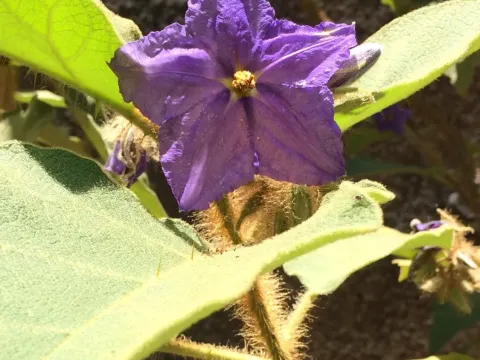
Solanum crinitum
Solanum crinitum
Solanum crinitum is a perennial shrub or small tree belonging to the Solanaceae family. It is recognized for its impressive, broad, hairy foliage and large, showy purple-blue flowers that feature a contrasting yellow center, making it a significant botanical interest within its native tropical range.
What the section contains
Solanum crinitum
The species originates from the tropical rainforests of South America, primarily within Brazil. As a strictly tropical plant, it requires a frost-free environment throughout the entire year, which makes greenhouse or conservatory cultivation mandatory in non-tropical climatic zones to prevent cold-induced damage or death.
Optimal growth is achieved in nutrient-rich, well-draining loamy soils with a pH ranging from slightly acidic to neutral. Because of its native environment, the plant requires consistent moisture levels; however, it is highly sensitive to waterlogging, which often causes rapid root decay and plant collapse.
Light intensity is a critical factor for the vigor of Solanum crinitum. It demands high levels of bright, indirect sunlight to thrive. In indoor settings, supplementary lighting is often necessary during winter months to maintain photosynthesis levels sufficient to support its large leaf canopy and potential flowering cycles.
Agrotechnical maintenance includes regular pruning to manage its size and shape, as well as periodic application of balanced NPK fertilizers during the growing season. High humidity levels should be maintained through misting or automated irrigation systems to mimic its natural tropical habitat accurately.
The primary pests affecting Solanum crinitum in controlled environments include spider mites, whiteflies, and aphids. These pests often congregate on the undersides of the large leaves and succulent tips, necessitating integrated pest management strategies such as biological controls or targeted application of insecticides.
Pathogen threats are primarily related to soil-borne fungi, including Pythium and Phytophthora, which flourish in stagnant, poorly drained soils. Preventing these infections requires stringent sanitation of growing media, adequate air ventilation, and avoiding overhead watering that leaves foliage wet for extended periods.