
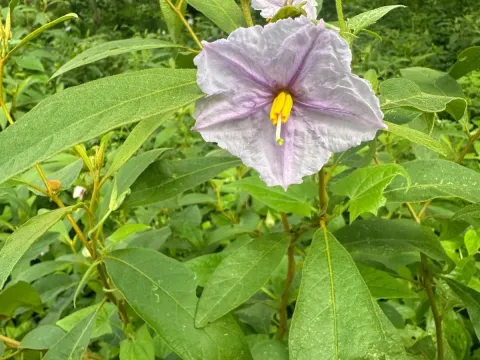
Solanum delagoense
Solanum delagoense
Solanum delagoense is a perennial shrub belonging to the Solanaceae family, native to the southern regions of Africa. This species is known for its resilience and ability to thrive in various types of arid to semi-arid environments.
What the section contains
Solanum delagoense
Propagation is primarily carried out through seeds, which require specific temperature conditions to germinate effectively. The ideal sowing window starts in late spring once the soil has warmed sufficiently to support consistent growth.
When preparing the seedbed, it is crucial to ensure a loose soil structure. Incorporating organic matter helps improve nutrient availability, which supports the initial development of the taproot system in young seedlings.
The seeds should be sown at a shallow depth of about 1 to 2 cm. Maintaining a steady moisture level in the germination tray or field row is essential for a successful emergence rate, typically seen within three weeks.
Thinning the seedlings is an important step to ensure adequate air circulation between individual plants. This practice helps reduce humidity around the base of the plant, which is crucial for preventing fungal issues.
As a heat-loving species, Solanum delagoense demands full sun exposure to maintain optimal physiological functions. Shade inhibits growth and may lead to a reduced number of fruits and foliage density.
The soil should have excellent drainage properties, as waterlogging is highly detrimental to this species. Sandy loams that allow water to percolate easily are considered the most appropriate substrates for this culture.
Temperature requirements for robust development range between 22 and 30 degrees Celsius. While it possesses some drought tolerance, supplemental watering during prolonged dry spells will significantly boost overall plant health.
Nutrient management focuses on balanced NPK applications during the vegetative phase. As the plant enters the reproductive stage, higher concentrations of phosphorus and potassium are recommended to support fruit development.
Regular maintenance of the area surrounding the shrubs is necessary. Weed control reduces competition for water and nutrients, which is vital when the plants are grown in resource-limited environments.
The most significant threats to the cultivation of Solanum delagoense include fungal diseases such as blight. These pathogens thrive in high-humidity conditions, necessitating good aeration and preventative fungicide use.
- Colorado potato beetle infestation
- Aphid colonization on young shoots
- Root-knot nematode damage
- Tobacco mosaic virus transmission
Pest control should be managed through an integrated approach. Biological controls, such as beneficial insects, can keep aphid populations in check without the excessive use of broad-spectrum pesticides.
Regular visual inspections of the plant foliage are recommended to identify pest clusters early. Prompt intervention minimizes the need for chemical spraying and protects the overall ecological balance of the site.
Finally, maintaining plant vigor through proper fertilization and watering schedules acts as a natural defense mechanism, making the shrubs more resistant to secondary infections and opportunistic pests.