
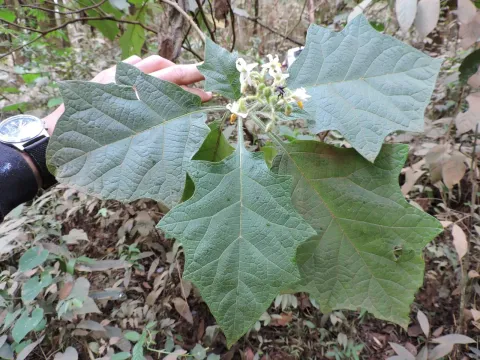
Solanum decompositiflorum
Solanum decompositiflorum
Solanum decompositiflorum is a distinctive plant species belonging to the Solanaceae family. It is recognized for its unique floral morphology and structural characteristics that set it apart within the Solanum genus.
What the section contains
Solanum decompositiflorum
Originating from the tropical landscapes of South America, this plant is adapted to regions with consistent warmth. Its native habitat includes diverse environments, from forest edges to open shrublands with fertile, well-drained soils.
Botanically, the plant is characterized by its branching stems and complex inflorescence patterns. The leaves are typically arranged alternately, providing maximum surface area for light absorption in its natural light-intense habitat.
Success in cultivating this species depends heavily on providing the right environmental conditions. It requires plenty of direct sunlight and a stable temperature range between 22 and 28 degrees Celsius for optimal metabolic activity.
Soil quality is paramount for the health of Solanum decompositiflorum. A pH range between 6.0 and 7.0 is ideal, combined with high organic matter content and excellent drainage to prevent root asphyxiation during the growth cycle.
Like many members of the Solanaceae family, this species is susceptible to various fungal pathogens. Late blight, caused by Phytophthora species, is a significant threat that can devastate foliage if humidity levels are not controlled.
Insect pests such as Colorado potato beetles and various aphid species pose a constant challenge to commercial production. Integrated pest management strategies, including biological controls and scouting, are essential.
Viral pathogens transmitted by insect vectors can significantly reduce crop vigor. Maintaining field hygiene and controlling host weeds surrounding the cultivation area is crucial to mitigating these risks effectively.
Root rot pathogens, including Fusarium, can thrive in poorly aerated or waterlogged soils. Implementing strict crop rotation schedules helps prevent the buildup of soil-borne diseases over consecutive growing seasons.
Effective management includes regular inspection of plant tissues and the application of balanced nutrition. Ensuring plants are not stressed by environmental factors enhances their natural resistance to endemic diseases.