
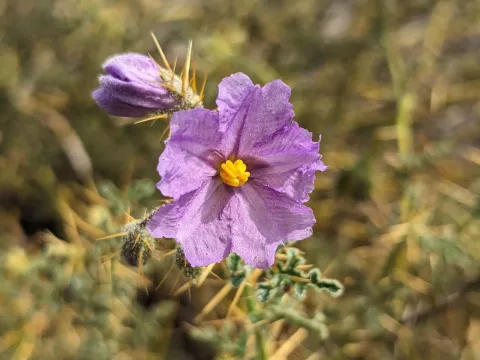
Solanum diversiflorum
Solanum diversiflorum
Solanum diversiflorum, a member of the Solanaceae family, is a distinct plant native to arid and semi-arid regions of Australia. Its cultivation requires careful attention to thermal conditions, as it is highly sensitive to frost and low temperatures during early development.
What the section contains
Solanum diversiflorum
The sowing process should be initiated only when soil temperatures are consistently high, ideally above 15 degrees Celsius. This ensures that the seeds have the metabolic energy required to break dormancy and establish a viable root system quickly.
Optimal sowing depth is shallow, as seeds typically require consistent surface moisture and light exposure. Using a well-draining seedbed mix helps prevent seed rot during the critical germination phase, which can be prolonged in cooler conditions.
In temperate climates, a nursery start is highly recommended. By sowing in protected environments six to eight weeks before the last frost, growers can provide a head start that ensures plants are established before the peak heat of summer.
Spacing is a critical agronomic factor for this species to ensure proper airflow and light penetration to the lower foliage. Overcrowding frequently leads to microclimate issues that favor the development of various fungal pathogens.
This species thrives in full sun exposure, which is essential for its natural physiological processes. In cultivation, it performs best when positioned in areas that receive maximum sunlight throughout the day to support fruit production.
Soil requirements focus on high drainage capacity. Solanum diversiflorum is highly susceptible to root hypoxia and fungal infections if planted in heavy, waterlogged soils. Sandy loams with added organic matter are generally ideal for its growth.
Watering strategies should be moderate. While the plant shows some tolerance to drought, consistent moisture during the flowering and fruit-setting stages is necessary to achieve high-quality yields and plant vigor.
Regarding soil nutrients, the plant benefits from a balanced fertilizer program with an emphasis on potassium and phosphorus. These elements are crucial for strengthening cell walls and enhancing the plant's resistance to environmental stress.
Temperature management should be maintained within the range of 20 to 28 degrees Celsius for active metabolism. Exposure to temperatures outside this optimal window often leads to metabolic slowing and potential flower drop.
Pest pressure from aphids and spider mites represents the primary threat to this crop. These pests congregate on the undersides of leaves, draining sap and creating stress that weakens the plant's overall health and aesthetic quality.
Fungal diseases, including blight and various leaf spots, are significant risks in humid or rainy seasons. Effective management relies on proper spacing, sanitation practices, and the application of fungicides where necessary.
Virus transmission by insect vectors remains a major agronomic challenge for solanaceous crops. Controlling insect populations is the most efficient method for minimizing the spread of systemic viral pathogens in the field.
Larval stages of specific beetles can cause localized damage to foliage. Integrated Pest Management (IPM) techniques, including the use of beneficial predators and mechanical removal, are highly recommended to avoid heavy chemical use.
Routine scouting is essential to identify early symptoms of disease or infestation. Quick intervention often prevents widespread crop loss, emphasizing the importance of monitoring as part of the daily agronomic routine.