
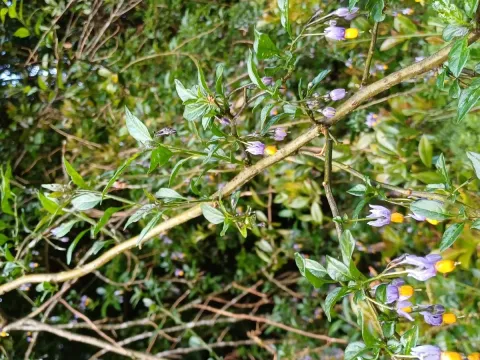
Solanum cyrtopodium
Solanum cyrtopodium
Solanum cyrtopodium is a distinct species within the Solanaceae family. Originating from the tropical regions of Brazil, this plant displays the typical morphological diversity inherent to the genus Solanum, including unique floral and vegetative structures.
What the section contains
Solanum cyrtopodium
Regarding soil requirements, the species thrives in well-drained, nutrient-rich substrates that are slightly acidic to neutral. Ensuring efficient drainage is paramount to prevent root asphyxiation, which the plant is highly sensitive to.
The climate requirements dictate a warm environment. As a tropical species, it cannot withstand frost or significant temperature drops, necessitating greenhouse cultivation in temperate climate zones to ensure continuous vegetative growth.
Agricultural practice involves providing stable light intensity and consistent humidity levels. During the active growing season, regular irrigation is required, though the substrate should be allowed to dry slightly between watering cycles to maintain plant vigor.
Its economic and scientific utility lies primarily in botanical collections and genetic conservation. Researchers value the species for its unique traits, which may provide insights into the evolutionary biology of the wider Solanaceae family.
The primary threats to Solanum cyrtopodium include fungal pathogens such as Phytophthora species, which are prevalent in high-humidity environments. Maintaining proper air circulation is the most effective preventative strategy.
Pests such as spider mites and whiteflies frequently target the foliage, causing significant physiological stress. Integrated pest management (IPM) practices are recommended to mitigate these infestations without damaging the plant's delicate tissues.
Viral infections can cause stunted growth and chlorosis, often transmitted by sap-sucking insects. Controlling vector populations is essential for maintaining the health of a collection or nursery population of this species.
Nutrient deficiencies or toxicity due to improper fertilization can also mimic disease symptoms. Soil testing and balanced nutritional inputs are necessary to ensure the plant remains resilient against opportunistic pathogens.
Frequent visual inspections are necessary to identify early signs of necrosis or infestation. In cases of severe infection, immediate quarantine of the affected plant is standard practice to prevent the spread of disease.