
Solanum etuberosum
Solanum etuberosum
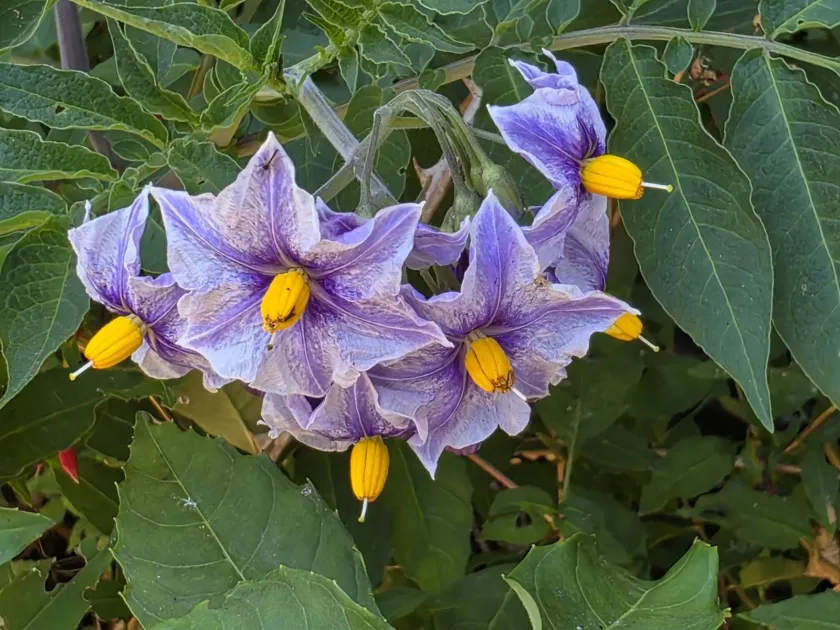
Description
Growing requirements
Solanum etuberosum is a perennial herbaceous plant belonging to the Solanaceae family, native to the mountainous regions of Chile. It is recognized as a vital wild relative of the domesticated potato.
Botanically, it is characterized by its failure to develop tubers, distinguishing it from most members of the potato genus. It thrives in high-altitude environments where temperatures are relatively cool.
Climatic requirements involve moderate humidity and protection from extreme heat. The plant is highly adapted to the specific light and temperature cycles found in its natural South American habitat.
Soil requirements focus on well-drained, nutrient-rich substrates. Proper soil aeration is crucial to prevent root zone stress, as the plant does not tolerate waterlogged conditions during the growing season.
In agriculture, its primary utility is as a genetic resource. Researchers utilize it to introduce genes for resistance to late blight and various viral infections into modern potato cultivars.
Main diseases and pests
Late blight remains the most significant threat to the foliage of Solanum etuberosum. High humidity levels combined with moderate temperatures create an ideal environment for the spread of this pathogen.
Pests such as aphids are a major concern, as they serve as vectors for various plant viruses. Infestations can weaken the plant and facilitate the transmission of systemic diseases.
Root-knot nematodes can cause significant damage to the plant's root system, leading to stunted growth. Effective pest management requires regular soil testing and the use of resistant planting materials.
Fungal diseases like early blight can affect the aging leaves of the plant. Regular monitoring is essential to distinguish between natural senescence and the early stages of disease progression.
To maintain plant health, breeders use isolated growing conditions to prevent cross-contamination. Integrated pest management strategies are often employed to minimize chemical dependency and protect beneficial microbes.