
Solanum corymbosum
Solanum corymbosum
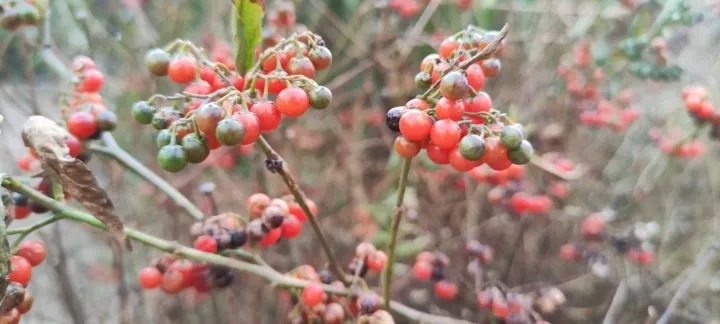
Description
Sowing dates
Solanum corymbosum, a member of the Solanaceae family, is a distinct crop species originating from South American ecosystems. Its cultivation requires careful management of seed germination and seedling development.
Sowing typically begins in controlled environments such as greenhouses or hotbeds to ensure the seeds have the necessary warm conditions to sprout effectively within the first two weeks.
The substrate must be well-drained and kept consistently moist but not saturated. Using specialized seedling trays helps in maintaining optimal depth and spacing for future transplanting.
Transitioning from the greenhouse to the field occurs once the soil temperature is reliably above 15 degrees Celsius, minimizing the risk of developmental shock.
Professional growers often use treated seeds to enhance germination rates and provide initial protection against soil-borne pathogens during the critical early growth phases.
Growing requirements
This species thrives in high-light conditions and requires at least six to eight hours of direct sunlight to maximize photosynthetic efficiency and fruit yield.
Soil requirements focus on fertility and drainage. Sandy loam soils that are rich in organic matter are ideal for supporting the expansive root system of this plant.
Water management is critical for Solanum corymbosum. Consistent moisture levels prevent blossom drop and ensure that fruit development proceeds without physiological stress.
Nutrient supplementation should be adjusted based on soil testing. Nitrogen should be managed carefully to balance vegetative growth and the reproductive stage of the plant.
Air circulation is vital for this culture. Proper spacing in rows helps manage humidity levels, which in turn reduces the likelihood of foliage-related diseases.
Main diseases and pests
Common pests include typical Solanaceous threats such as potato beetles, spider mites, and aphids, which can quickly colonize the plant if left unchecked.
Fungal pathogens like Phytophthora are significant risks, especially in regions with high humidity. These pathogens can destroy the foliage and affect the overall plant health.
Viruses transmitted by insects are a constant concern in agricultural production; therefore, controlling vectors is essential for maintaining a healthy crop.
Effective management strategies combine biological control agents and chemical pesticides used according to the Integrated Pest Management (IPM) guidelines.
- Regular field scouting for early pest detection.
- Application of selective fungicides.
- Removal of plant debris after the harvest.
- Encouraging beneficial predator insects in the field.