
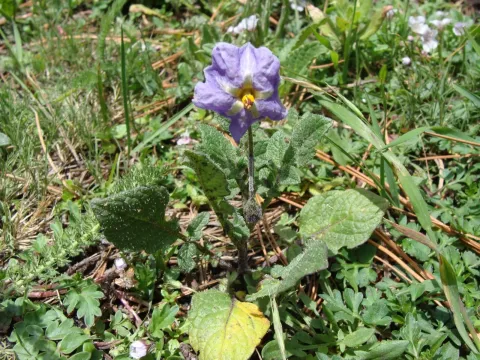
Solanum demissum
Solanum demissum
Solanum demissum is a wild species of the Solanaceae family, originating from the high-altitude regions of Mexico, where it has evolved unique environmental adaptations.
What the section contains
Solanum demissum
The plant thrives in cool, moist climatic conditions, preferring high-elevation sites that provide the necessary thermal variance for its developmental stages.
In terms of soil requirements, it demands well-aerated, loose substrates with optimal drainage, as the species is sensitive to waterlogging and root zone hypoxia.
Although it produces tubers, they are typically small and bitter, making the plant non-viable for direct culinary use in modern agriculture or global food markets.
Agrotechnical management is strictly limited to controlled environments, such as research greenhouses or germplasm conservation banks, to ensure genetic stability.
The primary agricultural significance of Solanum demissum lies in its robust resistance to late blight, caused by the oomycete pathogen Phytophthora infestans.
Breeders utilize its genetic library extensively to incorporate resistance traits into commercial potato cultivars, significantly reducing the reliance on chemical fungicides.
Despite its natural resistance to major fungal pathogens, the species remains vulnerable to common greenhouse pests such as aphids, spider mites, and whiteflies.
Viral infections transmitted by insect vectors pose a significant risk to the integrity of the collected material and require rigorous containment strategies.
Integrated pest management protocols are essential, focusing on preventative measures and biological controls to protect these valuable genetic resources from infestation.