
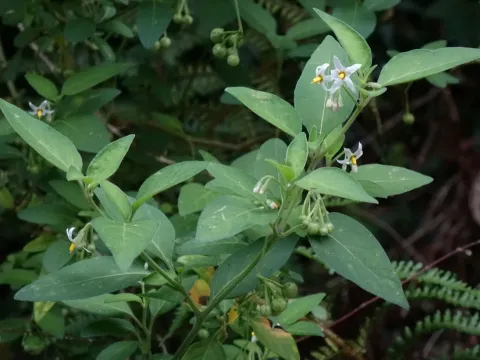
Solanum chenopodioides
Solanum chenopodioides
Solanum chenopodioides is an annual herbaceous weed species belonging to the Solanaceae family, widely recognized for its high adaptability to various disturbed habitats.
What the section contains
Solanum chenopodioides
Seeds typically germinate when soil temperatures reach 10–12 degrees Celsius, usually aligning with the spring planting season for many field crops.
The emergence of seedlings is often staggered, occurring in waves following rainfall events, which allows the plant to sustain its population throughout the growing season.
This weed produces a large quantity of seeds that remain viable in the soil for several years, forming a significant seed bank that is difficult to eradicate quickly.
Germination is possible from shallow depths, ensuring that the plant can rapidly establish a root system and compete with young crops during the early vegetation stages.
The plant thrives in fertile and moist soils, yet it exhibits high phenotypic plasticity, allowing it to grow successfully across a range of soil textures and types.
It prefers sunny, well-lit environments where it can achieve maximum vegetative growth, while shaded areas tend to stunt its overall biomass and reproductive output.
Optimal temperatures for active metabolism are between 20 and 25 degrees Celsius, though it displays a remarkable ability to survive in fluctuating climate conditions.
Soil moisture is a critical limiting factor for germination; therefore, the highest density of infestations is usually observed in fields with high moisture availability.
Effective management requires a comprehensive crop rotation strategy, prioritizing crops that provide canopy closure early in the season to shade out weed seedlings.
The primary agricultural threat posed by this weed is intense competition for nutrients, water, and sunlight, which significantly reduces the yield of primary cash crops.
Solanum chenopodioides acts as a secondary host for numerous pathogens, including viruses and fungal diseases that commonly affect potato, tomato, and eggplant crops.
It serves as a reservoir for insect pests, providing them with shelter and food, which facilitates the migration of these insects to nearby cultivated vegetables and grains.
Contamination of harvested grain with nightshade berries is a major quality issue, as the moisture and residues can lead to spoilage during storage and transport.
The presence of toxic alkaloids in the plant tissues renders it dangerous if ingested by livestock, necessitating strict monitoring of forage quality in grazing lands.
High levels of Solanum chenopodioides in fields at harvest time can significantly complicate the process, as the succulent stems increase the load on harvesting machinery.
Timing the harvest is crucial; delaying the operation can lead to the dispersal of seeds across the field, exacerbating weed pressure for the following planting season.
Post-harvest soil management should focus on encouraging germination of shed seeds, followed by mechanical destruction before the seeds can reach maturity again.
Applying selective herbicides during the growing season is a standard practice to keep infestations below economic thresholds, ensuring a cleaner harvest environment.
Integrated weed management, including mechanical cultivation between rows and precise chemical application, remains the best approach for long-term field cleanliness.