
Solanum chaucha
Solanum chaucha
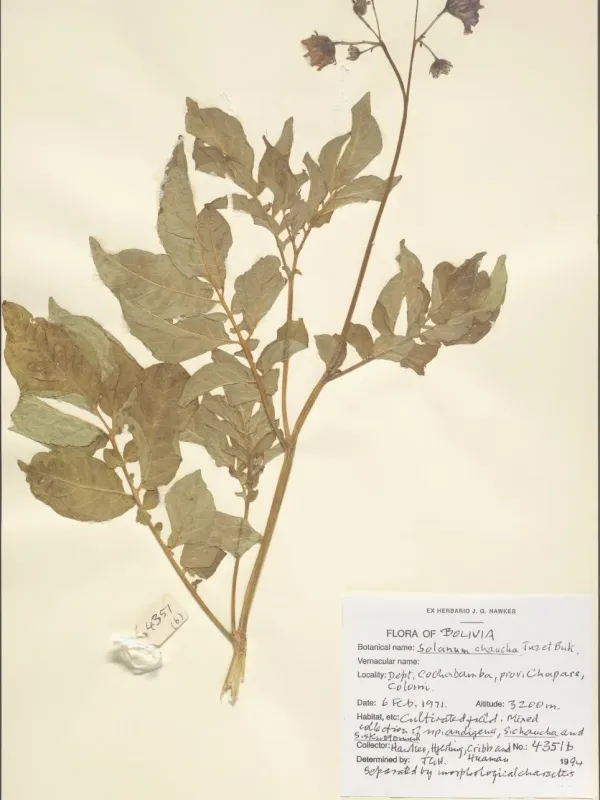
Description
Growing requirements
Solanum chaucha is a specialized cultivated potato species within the Solanaceae family. Originating from the high-altitude regions of the Andes, it is a hybrid crop deeply rooted in the traditional agricultural systems of Peru, Bolivia, and Ecuador.
This plant is biologically adapted to harsh mountain environments, thriving in cool climates with significant diurnal temperature fluctuations. It requires high solar radiation and specific light conditions typical of high altitudes to achieve optimal tuber development.
The morphology of the plant includes broad, densely pubescent leaves that aid in moisture retention and protection against ultraviolet radiation. The root system is robust, capable of extracting nutrients from diverse soil compositions, provided they are well-aerated.
For cultivation purposes, the soil should be loose, well-drained, and rich in organic matter. Sandy loams are preferred, as they prevent waterlogging, which the species is highly sensitive to. An acidic to slightly neutral pH is ideal for nutrient absorption.
Proper water management is essential; the plant requires consistent moisture during the tuber initiation stage but suffers significantly from drought stress or water stagnation. Controlled irrigation systems are often necessary to mimic its native Andean hydrological conditions.
Main diseases and pests
The crop is susceptible to a range of pathogens common to the potato family, most notably late blight (Phytophthora infestans). This disease spreads rapidly in humid conditions and can devastate entire fields if not addressed with timely interventions.
Pests such as the potato tuber moth pose a significant threat to post-harvest quality. These insects penetrate the tubers, making them unmarketable and susceptible to secondary bacterial infections during the storage phase.
Soil-borne nematodes represent a hidden threat, causing stunted growth and reducing yield capacity. Implementing crop rotation with non-host plants, such as cereals or legumes, is a fundamental agricultural practice for mitigation.
Viral diseases also affect this variety, which necessitates the use of certified, disease-free seed tubers. Regular monitoring of the foliage for chlorosis or mosaic symptoms is required to identify infected plants early and remove them from the field.
Biological pest control is highly recommended for maintaining the purity of the crop. Utilizing predatory insects and pheromone traps can effectively reduce pest populations while minimizing the impact on the local ecosystem and biodiversity.