
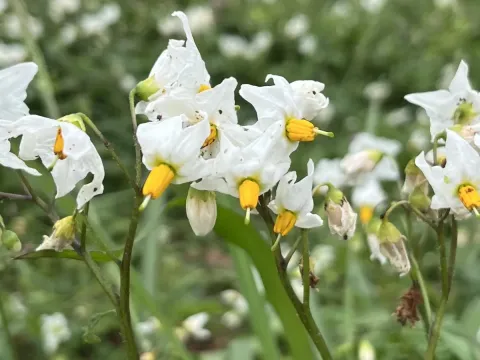
Solanum chacoense
Solanum chacoense
Solanum chacoense is a wild herbaceous plant species belonging to the Solanaceae family. Originating from South America, specifically regions in Argentina, Paraguay, and Bolivia, it is closely related to the cultivated potato (Solanum tuberosum) and is highly regarded in botanical and agricultural circles.
What the section contains
Solanum chacoense
This plant thrives in temperate climates and requires well-lit conditions for optimal growth. It is adaptable to a wide range of soil types, though it performs best in loose, fertile, and well-drained soils, which allow for the proper development of its underground stolons and tubers.
The botanical structure of Solanum chacoense includes small tubers and a robust root system. It is characterized by its adaptability, being able to survive in diverse ecological niches, which makes it a vital subject for studying plant stress tolerance and adaptation mechanisms.
Economically, the primary use of Solanum chacoense is its role in plant breeding. It serves as an invaluable genetic reservoir, providing genes that confer resistance to various diseases, such as late blight, and insects, helping to improve the durability of potato crops.
The species is particularly famous for its natural defense mechanisms against the Colorado potato beetle. It produces leptines, a type of glycoalkaloid in its leaves, which provides effective chemical resistance, offering a sustainable solution for future crop development.
Like other members of the Solanaceae family, Solanum chacoense is susceptible to several pathogens if environmental conditions are not properly managed. Proper agricultural practices are essential to mitigate these biological threats and ensure plant health.
Fungal diseases are the most significant concern for this species. Conditions such as high humidity and lack of airflow can promote the spread of Phytophthora infestans (late blight) and Alternaria, which can severely damage the plant tissues.
Viral pathogens represent another common threat to the vitality of the plant. Since many viruses are transmitted by sap-sucking insects like aphids, keeping the cultivation area free from vectors through proper management is a priority for researchers.
Soil-borne pests such as nematodes can negatively impact root development. Crop rotation and soil sanitation are recommended strategies for controlling these pests and maintaining a healthy environment for the plants to thrive.
Despite being a wild species with high natural defense, monitoring remains crucial. Integrating early detection methods and maintaining a balanced ecosystem within the growing area are effective strategies for managing potential threats to Solanum chacoense populations.