
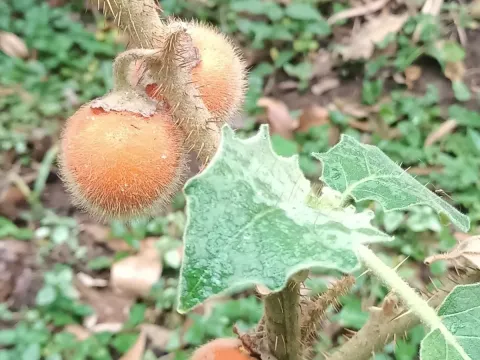
Solanum candidum
Solanum candidum
Propagation of this culture is typically achieved through seed germination in a protected environment or greenhouse. Sowing is best performed in late winter to ensure the plants have sufficient time to develop before the summer heat.
What the section contains
Solanum candidum
Seeds should be sown in a well-draining, lightweight seed-starting mix at a depth of approximately 0.5 to 1 centimeter. Consistent soil moisture is essential for successful germination, which usually occurs within two to three weeks.
Once seedlings have developed their first set of true leaves, they should be transplanted into individual containers to allow for root development. Adequate space at this stage is vital to avoid overcrowding and plant stress.
Hardening off the plants is a critical step before moving them to their final location. This process involves gradually exposing the young plants to outdoor conditions over a week to build structural integrity.
Final planting into the field or garden beds should only occur once all danger of frost has passed, as the plant is highly susceptible to chilling injury.
Solanum candidum belongs to the Solanaceae family and is recognized for its ornamental and botanical interest. It originates from tropical South American climates, which dictates its preference for warmth.
The plant thrives in fertile, well-draining soil with a pH range between 6.0 and 7.0. Poorly drained soils can easily lead to root rot, which is a common failure point for gardeners cultivating this species.
Full sun exposure is preferred for maximum growth and development. While the plant can tolerate partial shade, it will significantly underperform in terms of biomass production in low-light conditions.
Regular irrigation is required, especially during the active growth phase. However, care should be taken to ensure the soil dries out slightly between watering cycles to maintain root health.
Nutrient supplementation with balanced fertilizers during the growing season will help maintain vigorous plant health and improve overall structural strength.
Phytophthora and other related fungal pathogens pose a significant threat to Solanum candidum, especially in humid and stagnant air conditions. Improving airflow around the plants is the primary preventive measure.
Common solanaceous pests such as aphids, spider mites, and the Colorado potato beetle can cause substantial damage. Early detection and mechanical or chemical control are essential.
Bacterial wilt can occasionally occur in warmer climates if the plants are stressed by extreme heat or soil-borne pathogens. Crop rotation is essential to prevent these issues from recurring in the same beds.
Viruses transmitted by sap-sucking insects can cause leaf curling and yellowing. Controlling the insect vector population is the most effective way to manage these invisible threats.
- Implementing strict crop rotation protocols every three years.
- Using reflective mulch to deter specific insect pests.
- Applying preventive fungicidal treatments during prolonged rainy weather.