
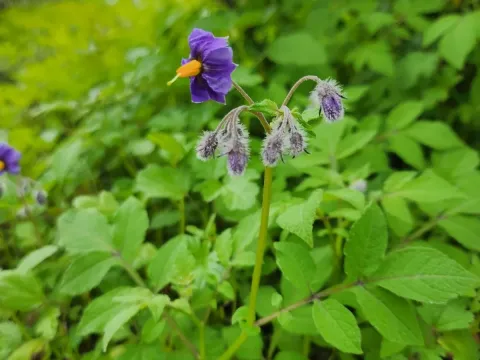
Solanum candolleanum
Solanum candolleanum
Solanum candolleanum is a member of the Solanaceae family, known for its distinctive botanical features. As a specialized crop, it requires precise environmental conditions to thrive, reflecting its tropical and subtropical origins in South America.
What the section contains
Solanum candolleanum
The plant thrives in well-drained, nutrient-rich soils with a neutral pH level. Proper soil aeration is critical for root health, and the incorporation of organic matter is highly recommended to sustain growth throughout the season.
Climate requirements include a stable temperature range of 20 to 28 degrees Celsius. Due to its sensitivity to cold and frost, cultivation in non-tropical regions must be restricted to controlled greenhouse environments where microclimate can be managed.
Light intensity is a significant factor for Solanum candolleanum. It requires substantial daily light exposure, ideally filtered sunlight, to maintain vigorous vegetative growth and support the development of reproductive stages.
Water management must be consistent. The crop benefits from a regular watering schedule that keeps the substrate moist but not waterlogged. Overwatering is the most common cause of root rot, which can prove fatal to this species.
Like many nightshades, this species is susceptible to various pathogens including Phytophthora and Alternaria. These fungal diseases thrive in high-humidity environments and require strict sanitation practices to keep the plant population healthy.
Common pests include spider mites and whiteflies, which can cause significant damage to the foliage. These pests prefer dry, warm conditions and can quickly reach epidemic levels if not monitored and treated early in the lifecycle.
Integrated pest management (IPM) is the most effective approach for Solanum candolleanum. This includes biological controls, physical barriers, and the judicious use of selective pesticides when necessary to manage outbreaks.
Proper ventilation is essential for disease prevention. Ensuring adequate airflow between plants helps reduce leaf humidity, thereby creating an environment less favorable for fungal spores to germinate and infect the host tissues.
Regular inspection protocols are recommended to detect any signs of infestation or disease early. Early intervention minimizes the need for chemical applications and preserves the overall quality of the agricultural product.