
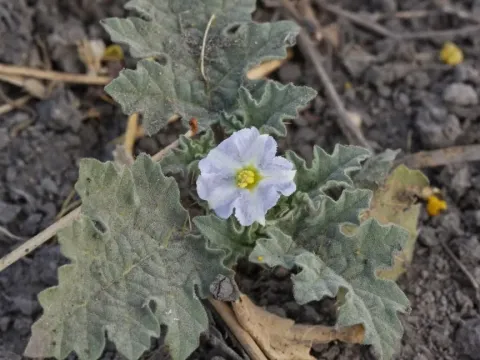
Solanum campechiense
Solanum campechiense
Solanum campechiense is a distinctive member of the Solanaceae family, known for its specific morphological characteristics including specialized leaf structures and thorny stems.
What the section contains
Solanum campechiense
For optimal results, seeds should be started indoors in a controlled environment to ensure consistent soil temperature and prevent cold damage during the germination phase.
Sowing depth should be shallow, generally covering the seeds with a light layer of sterile potting mix to maintain humidity while allowing necessary light exposure for sprouting.
Transplanting into the field is recommended once the danger of late spring frost has completely passed and the soil has warmed up to at least 15 degrees Celsius.
Proper spacing is crucial for this crop, as it allows for efficient canopy development and reduces the micro-humidity that often contributes to the development of fungal diseases.
This crop thrives in full sun exposure and requires a location where it can receive at least six to eight hours of direct light throughout the active growing season.
Soil requirements involve a well-draining medium with high organic content, as the plant is sensitive to waterlogging which can rapidly lead to root decay.
Nutrient management should focus on a balanced application of nitrogen, phosphorus, and potassium, supplemented with micronutrients to support healthy foliage and flower set.
Watering practices should be strictly controlled, emphasizing the importance of deep, infrequent irrigation that encourages the root system to grow into deeper soil layers.
Maintaining an optimal pH level between 6.0 and 7.0 is essential to ensure that all necessary micronutrients are available for the plant to uptake effectively throughout its life cycle.
Typical threats include common solanaceous pests such as spider mites, aphids, and beetles that can defoliate the plant if populations are left unchecked by management.
Fungal diseases like powdery mildew and late blight are major risks, particularly in regions with high humidity or frequent summer precipitation patterns throughout the year.
Effective pest control strategies often involve the use of scouting programs and the application of environmentally friendly biocontrol agents to maintain a healthy ecosystem.
Weed control is mandatory, as competing vegetation can act as a reservoir for viruses and insect vectors that specifically target members of the Solanaceae family.
Proper sanitation practices, including the removal of infected plant debris, remain the most effective methods to limit the spread of pathogens within the cultivated field.