
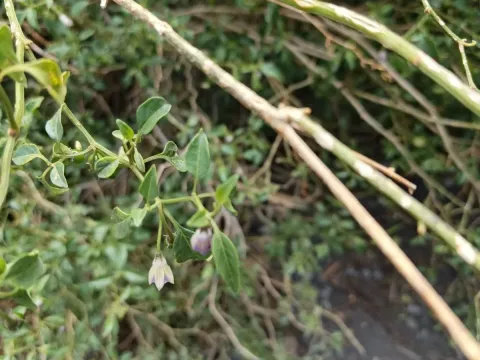
Capsicum cardenasii
Capsicum cardenasii
Capsicum cardenasii is a wild perennial species that requires a long growing season, making starting seeds indoors in late winter essential. Seeds often have a hard seed coat, so scarification or soaking in warm water for 24 hours prior to sowing can significantly improve germination rates.
What the section contains
Capsicum cardenasii
Use a sterile, well-draining seed-starting mix and maintain a constant soil temperature of approximately 25–28°C. Germination can be slow and sporadic compared to domestic varieties, so patience and consistent moisture are key during the initial stages of growth.
Once seedlings develop their first set of true leaves, they should be transplanted into individual pots to avoid root crowding. Provide strong light, such as a full-spectrum grow light, for 12–14 hours a day to promote sturdy stems and healthy leaf development.
Before moving the plants outdoors, a hardening-off process is mandatory. Gradually expose the young plants to outdoor conditions over 7–10 days, increasing their exposure to sunlight and natural breezes to build up resistance to environmental stress.
Transplant into the garden or greenhouse only when all danger of frost has passed and night temperatures consistently stay above 15°C. Space the plants about 60 cm apart to ensure good airflow, which is critical for preventing fungal diseases in this wild species.
As a native of the Bolivian highlands, this species thrives in climates with mild days and cool nights. It is sensitive to extreme heat, which can lead to flower drop and reduced fruit set, making greenhouse shading a valuable tool during the hottest summer months.
The soil should be light, fertile, and slightly acidic with a pH of 6.0–6.8. Excellent drainage is non-negotiable, as this species is highly susceptible to root rot if the soil remains waterlogged for extended periods, even for a few hours.
Watering practices should focus on maintaining consistent soil moisture without saturation. Allow the top inch of soil to dry out between waterings, and ensure that the irrigation water does not stay on the foliage for too long to prevent leaf spotting.
Fertilization should be handled with care; use a balanced, low-nitrogen liquid fertilizer during the early growth stages. Once flowering begins, switch to a high-potassium formula to support fruit development and prevent the shedding of buds.
Light levels are vital for this species, as it is adapted to high-altitude sun exposure. Ensure the plants are placed in the sunniest spot available, ensuring they get at least 8 hours of direct sunlight per day to maximize photosynthesis and yields.
Common pests like aphids and spider mites are frequent visitors to this pepper species, especially in sheltered greenhouse environments. Regular inspection and the use of insecticidal soaps or neem oil are effective ways to keep populations under control.
Fungal issues, such as powdery mildew, can occur if airflow is poor and humidity levels remain too high. Pruning lower leaves and ensuring proper plant spacing are the best cultural methods to minimize the spread of airborne spores.
Root rot is the most common disease associated with overwatering or poorly draining soil. If leaves begin to wilt despite moist soil, it is an immediate indicator to inspect the roots and adjust the watering schedule accordingly.
Viral infections can be devastating to wild peppers; prevention is the only cure. Since these viruses are often spread by insect vectors, controlling the aphid and whitefly population is a major component of a healthy garden management plan.
Maintain high standards of hygiene by cleaning and disinfecting pruning tools with a 10% bleach solution between different plants. This simple practice prevents the mechanical transmission of pathogens that could compromise the entire collection.
The fruit of Capsicum cardenasii is small, bright red when ripe, and known for its distinct, intense heat. Harvesting should be done when the peppers are fully colored and firm to ensure the best flavor profile and seed viability.
Using sharp garden snips is recommended to harvest the fruits, as the stems of these wild plants can be fragile. Snip the pedicel cleanly to avoid damaging the fruiting branch, which may continue to produce more peppers throughout the season.
After harvest, the fruits can be used fresh to spice up culinary dishes or dried to preserve their heat for later use. Dried peppers can be ground into a potent powder that retains the unique aroma and heat characteristic of this rare species.
Store harvested peppers in a cool, dark, and dry place if you intend to use them within a few days. For long-term storage, freezing whole peppers or preserving them in vinegar-based sauces are excellent ways to lock in the flavor.
When harvesting for seed saving, select only the healthiest and most vibrant fruits from the most productive plants. Allow the seeds to dry fully in a cool environment before storing them in airtight containers for future cultivation seasons.