
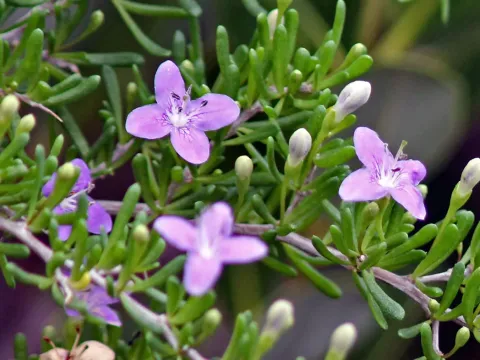
Carolina desert-thorn
Lycium carolineanum
Carolina desert-thorn (Lycium carolineanum) is a perennial shrub belonging to the Solanaceae family. It is recognized for its adaptability to harsh environments, particularly in coastal regions and arid zones of North America, where it serves as both an ornamental and a potential specialty crop.
What the section contains
Carolina desert-thorn
The plant is native to the southeastern United States and parts of Mexico. Its geographical distribution confirms its ability to thrive in salt-affected soils and environments characterized by limited precipitation, making it a valuable candidate for xeriscaping and reclamation of degraded lands.
To ensure optimal growth, this species requires full sun exposure and well-draining soil. It is highly tolerant of alkalinity and salinity, which distinguishes it from many conventional horticultural crops that require fertile, neutral loamy soils for successful development.
Although it is extremely drought-resistant once established, providing supplementary irrigation during the critical flowering phase can significantly improve the yield of its small, berry-like fruits. The shrub is naturally compact but can grow quite large if not pruned regularly.
Cultivation practices involve site selection with excellent drainage to prevent root rot. Propagation is typically achieved through stem cuttings or seeds, with cuttings being the preferred method for maintaining the desirable traits of high-performing parent plants.
The Carolina desert-thorn is generally hardy, but it remains susceptible to fungal issues if airflow is restricted. High humidity levels, especially in enclosed cultivation systems, can lead to the development of mildew or leaf spot diseases on the foliage.
Spider mites represent the most common arthropod pest for this crop. These pests thrive in hot, dry conditions and can cause significant foliage chlorosis if not managed through timely intervention and proper hydration of the plant.
Aphid infestations may occasionally affect young, succulent shoot tips during the spring flush. Monitoring these areas is essential, as heavy aphid pressure can stunt the growth of young shrubs and reduce the overall aesthetic and economic value.
Root zone pathogens can occur if the soil remains waterlogged for extended periods. This is particularly relevant in heavy clay soils that do not drain effectively, highlighting the necessity of soil modification before planting this shrub species.
Integrated pest management (IPM) strategies, including the introduction of natural predators like ladybugs, can effectively keep pest populations in check. Avoiding excessive synthetic nitrogen application also helps in preventing succulent growth that attracts sap-sucking insects.