
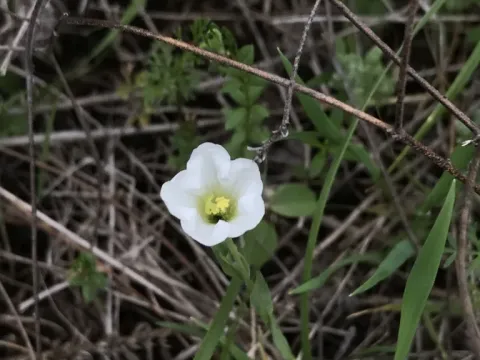
Bouchetia
Bouchetia
Bouchetia is a genus of perennial herbaceous plants belonging to the Solanaceae family. These plants are native to various regions of the Americas and are often found in habitats with specific soil and moisture characteristics that support their unique growth patterns.
What the section contains

Bouchetia
Botanically, plants in the Bouchetia genus are characterized by distinct floral structures and foliage that often exhibit adaptive traits to their native environments. They generally present as upright or trailing herbs, requiring moderate sunlight and specific soil compositions to thrive.
When cultivating Bouchetia, the primary requirement is well-drained, nutrient-rich soil. The plants are highly sensitive to waterlogging, which necessitates the use of raised beds or specialized drainage substrates to prevent root decay and ensure healthy nutrient uptake throughout the growth cycle.
The climate requirements for this culture include consistent, mild to warm temperatures with adequate light exposure. While they can tolerate some partial shade, optimal performance is achieved in locations that receive consistent morning sunlight and protection from extreme, harsh weather conditions.
In terms of agricultural use, the genus is primarily researched for its chemical profile and its potential as a genetic resource for improving other Solanaceous crops. Its role in small-scale cultivation is often associated with specialized decorative gardens or botanical study collections.
The most common threats to Bouchetia include fungal diseases such as root rot and wilt, which are typically triggered by excessive soil moisture. Proper irrigation management is essential to prevent the buildup of soil-borne pathogens that can devastate a crop.
Insect pests such as aphids, whiteflies, and spider mites pose a constant risk to the plant's health. These pests feed on the leaves and stems, causing yellowing, leaf drop, and overall reduction in plant vitality if left unmanaged by integrated pest control measures.
Preventive agricultural practices are vital, including maintaining a clean planting site free of weeds that might act as reservoirs for diseases. Regular monitoring for the early signs of infestation allows for localized control, preventing the spread across larger plots.
Crop rotation is strongly recommended when working with plants from the Solanaceae family to minimize the long-term survival of specialized pathogens in the soil. Avoiding continuous cropping in the same area helps break the cycle of pest reproduction.
In cases where environmental pressure is high, professional-grade fungicides and insecticides may be necessary. However, sustainable cultivation strategies favor the use of organic deterrents and the encouragement of beneficial insect populations to maintain ecological balance in the field.