
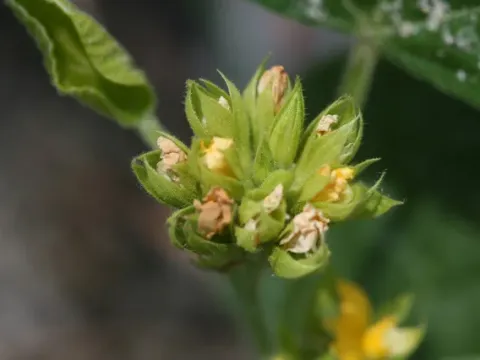
Rhynchosia
Rhynchosia
Rhynchosia is a diverse genus within the Fabaceae family, comprising various species that serve as forage, soil-improving, or ornamental plants in agricultural systems.
What the section contains
 Hairy rhynchosia
Rhynchosia hirta
Hairy rhynchosia
Rhynchosia hirta
 Precatory bean
Rhynchosia phaseoloides
Precatory bean
Rhynchosia phaseoloides
 Rhynchosia acuminatifolia
Rhynchosia aurea
Rhynchosia aurea
Rhynchosia acuminatifolia
Rhynchosia acuminatifolia
Rhynchosia aurea
Rhynchosia aurea
 Rhynchosia bracteata
Rhynchosia buettneri
Rhynchosia buettneri
Rhynchosia bracteata
Rhynchosia bracteata
Rhynchosia buettneri
Rhynchosia buettneri
 Rhynchosia capitata
Rhynchosia capitata
Rhynchosia capitata
 Rhynchosia discolor
Rhynchosia discolor
Rhynchosia discolor
 Rhynchosia edulis
Rhynchosia memnonia
Rhynchosia memnonia
Rhynchosia edulis
Rhynchosia edulis
Rhynchosia memnonia
Rhynchosia memnonia
 Rhynchosia minima
Rhynchosia minima
Rhynchosia minima
 Rhynchosia nyasica
Rhynchosia nyasica
Rhynchosia nyasica
 Rhynchosia penteri
Rhynchosia procurrens
Rhynchosia procurrens
Rhynchosia pycnostachya
Rhynchosia pycnostachya
Rhynchosia penteri
Rhynchosia penteri
Rhynchosia procurrens
Rhynchosia procurrens
Rhynchosia pycnostachya
Rhynchosia pycnostachya
 Rhynchosia resinosa
Rhynchosia resinosa
Rhynchosia resinosa
 Rhynchosia reticulata
Rhynchosia rufescens
Rhynchosia rufescens
Rhynchosia reticulata
Rhynchosia reticulata
Rhynchosia rufescens
Rhynchosia rufescens
 Rhynchosia senna
Rhynchosia sennaarensis
Rhynchosia sennaarensis
Rhynchosia senna
Rhynchosia senna
Rhynchosia sennaarensis
Rhynchosia sennaarensis
 Rhynchosia sublobata
Rhynchosia sublobata
Rhynchosia sublobata
 Rhynchosia totta
Rhynchosia volubilis
Rhynchosia volubilis
Rhynchosia totta
Rhynchosia totta
Rhynchosia volubilis
Rhynchosia volubilis
 Sticky rhynchosia
Rhynchosia viscosa
Sticky rhynchosia
Rhynchosia viscosa
Rhynchosia
The sowing period is strictly dictated by the climate, requiring the soil temperature to remain consistently above 18 degrees Celsius for successful germination.
Seeds of Rhynchosia typically possess a hard seed coat, which necessitates pre-sowing treatments such as scarification to ensure uniform field emergence.
Planting density should be carefully calculated based on the intended use, with lower densities favored for seed production and higher for pasture development.
Placement depth is generally kept shallow, typically between 2 and 4 centimeters, to allow the seedling to reach the surface effectively without exhausting energy reserves.
This crop thrives in well-drained soils, showing a strong intolerance to waterlogging which can quickly lead to root decay and overall plant decline.
Rhynchosia species are well-known for their drought tolerance, making them suitable candidates for cultivation in arid and semi-arid regions of the world.
Sunlight is a critical factor for productivity, and the crop should be planted in full exposure to avoid etiolation and maintain optimal growth rates.
The plants are capable of fixing atmospheric nitrogen through symbiosis with soil bacteria, which helps improve overall soil fertility in crop rotation systems.
While the genus is adaptable to low-nutrient soils, providing adequate phosphorus can significantly enhance root system development and nitrogen fixation efficiency.
Insects such as pod-boring larvae pose a significant threat to the reproductive stage of the plant, potentially causing substantial yield losses if left uncontrolled.
Fungal pathogens causing leaf spots and blight are commonly observed in areas with high relative humidity and poor field hygiene practices.
Root-knot nematodes can impact the growth of Rhynchosia in infested soils, leading to stunted plants and reduced forage biomass production.
Integrated pest management strategies are recommended, focusing on the use of resistant varieties and crop rotation to break the life cycles of common pests.
Regular field scouting is essential to identify early signs of nutrient deficiencies or pest outbreaks, allowing for timely and cost-effective interventions.