
Robinia fertilis
Robinia fertilis
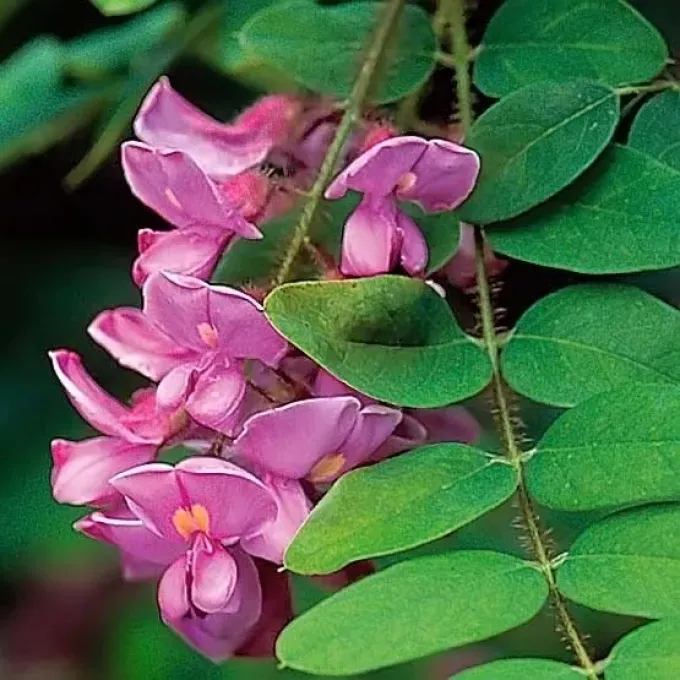
Description
Growing requirements
Robinia fertilis is a member of the Fabaceae family, commonly recognized for its hardiness and adaptability. Native to North America, this species thrives in varied ecological niches and is highly valued for its role in ecosystem restoration.
The plant is highly adaptable to poor and sandy soils, making it an excellent candidate for land reclamation. Its nitrogen-fixing properties significantly improve soil structure and nutrient content, benefiting the surrounding vegetation.
Sunlight is a key requirement for healthy development; Robinia fertilis prefers open areas where it can receive direct light. Shady conditions inhibit growth and reduce the plant's capacity for flowering and biomass production.
It displays remarkable drought tolerance once established, making it suitable for regions with limited rainfall. However, young plants require consistent irrigation until their root systems are fully developed.
The ideal planting site should offer good drainage, as the species is susceptible to root rot in waterlogged conditions. Careful soil preparation, including initial weed control, ensures successful establishment and long-term growth.
Yield
Robinia fertilis serves multiple agricultural purposes, primarily in apiculture and forestry. It is an exceptional honey-producing plant, providing a steady and abundant source of nectar for pollinators during its blooming season.
The timber obtained from this species is highly regarded for its durability and resistance to decay. It is frequently utilized in the construction of fences, garden structures, and other outdoor woodwork that requires longevity.
In terms of forage value, young leaves are rich in proteins. While not the primary fodder crop, they can supplement the diet of livestock in grazing systems, providing essential nutrients during the growing season.
Planting methods typically involve seed sowing or the use of root cuttings. Cuttings are preferred in professional nurseries as they ensure the propagation of plants with desirable traits and faster initial growth rates.
The economic contribution of the species is reinforced by its low maintenance requirements. Once mature, it requires minimal intervention, making it a cost-effective choice for large-scale reforestation and soil protection projects.
Main diseases and pests
This species is naturally resistant to many common pests and diseases, which is a major advantage for sustainable agricultural practices. However, high humidity can occasionally promote the growth of fungal leaf spots.
In certain regions, beetles may cause damage to foliage during peak periods. Using biological control agents is often sufficient to manage these populations without the need for intensive chemical applications.
Rodents pose a significant threat to young saplings, often causing damage to the bark. Implementing protective measures such as physical guards around the trunk is a highly recommended practice during the first few years.
Proper pruning is vital for maintaining plant health and preventing the spread of diseases. Removing dead or overlapping branches improves airflow and reduces the risk of fungal infections within the dense canopy.
Regular surveillance of the plantations is necessary to ensure early detection of any physiological stress. By maintaining good orchard hygiene, growers can effectively mitigate potential risks to the health of the trees.