
Rhynchosia edulis
Rhynchosia edulis
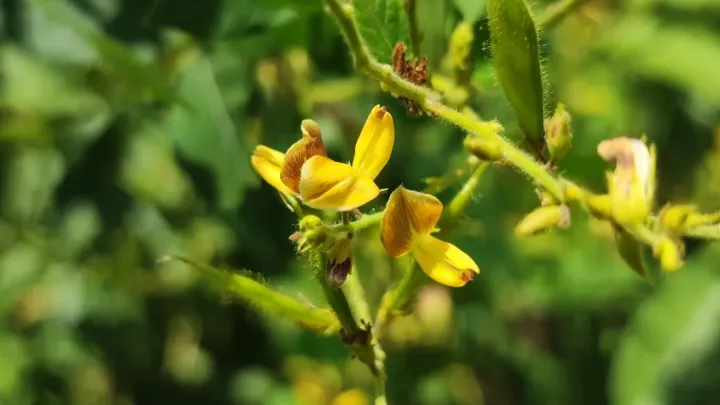
Description
Sowing dates
Rhynchosia edulis is a climbing legume species within the Fabaceae family that is primarily cultivated for its edible seeds and vegetative fodder value.
The sowing process requires a soil temperature of at least 18 degrees Celsius, as the seeds are sensitive to cold and can rot if the soil remains damp and cool for too long.
Seed scarification is often recommended to break seed dormancy and ensure uniform germination rates across the field during the initial establishment phase.
Sowing depth should generally be kept between 3 to 5 centimeters, depending on the texture and moisture content of the soil profile at the time of planting.
Adequate row spacing is essential for this vining crop to ensure that light reaches the foliage and to prevent the development of microclimates conducive to fungal disease.
Growing requirements
This crop thrives in well-drained, fertile soil types ranging from sandy loams to silty clays, provided that the soil structure allows for deep root penetration.
Rhynchosia edulis prefers full sun exposure, which is necessary for vigorous vine development and maximum pod production throughout the growing season.
While the plant demonstrates moderate drought tolerance once established, consistent soil moisture is crucial during the flowering and pod-filling stages to achieve optimal yields.
It is important to provide structural support, such as trellises or companion crops like maize, as the plant's vining habit requires vertical space to grow efficiently.
Nutrient management should focus on sufficient potassium and phosphorus levels, as these minerals play a vital role in legume pod development and plant stress resilience.
Main diseases and pests
Typical threats to Rhynchosia edulis include bean beetles and aphids, which can severely impact the vigor of the vines and the quality of the harvested pods.
Root rot and powdery mildew are the most prevalent diseases, often exacerbated by poor field drainage and excessive humidity levels in the lower canopy area.
Integrated Pest Management (IPM) strategies, including crop rotation and the use of resistant varieties, are highly recommended to minimize chemical input requirements.
Regular field scouting is essential to identify infestations of sucking insects early before they lead to virus transmission or significant defoliation of the crop.
- Monitoring for early signs of fungal spotting on leaves.
- Implementing clean cultivation to remove overwintering pest sites.
- Utilizing biological controls like ladybugs to manage aphid populations.
Harvesting
Harvesting should be timed carefully when the pods reach full physiological maturity, indicated by the drying of the pod shells and a change in color.
Early harvest may result in under-developed seeds, while delayed harvesting risks pods splitting open in the field, leading to substantial yield losses on the ground.
Post-harvest handling involves drying the pods immediately to reduce moisture levels, which prevents seed discoloration and degradation during long-term storage.
The biomass remaining after seed collection can be utilized as high-protein animal feed, provided it is free from mold and harmful fungal contaminants.
Proper ventilation during the storage phase is critical to maintain seed viability and nutritional quality for future use in food or feed applications.