
Robinia elliottii
Robinia elliottii
Description
Growing requirements
Robinia elliottii, commonly known as Elliott's locust, is a deciduous shrub belonging to the Fabaceae family, native to the southeastern United States. Unlike its larger tree-like relatives, this species typically forms a spreading shrub, making it a unique addition to specialized horticultural collections.
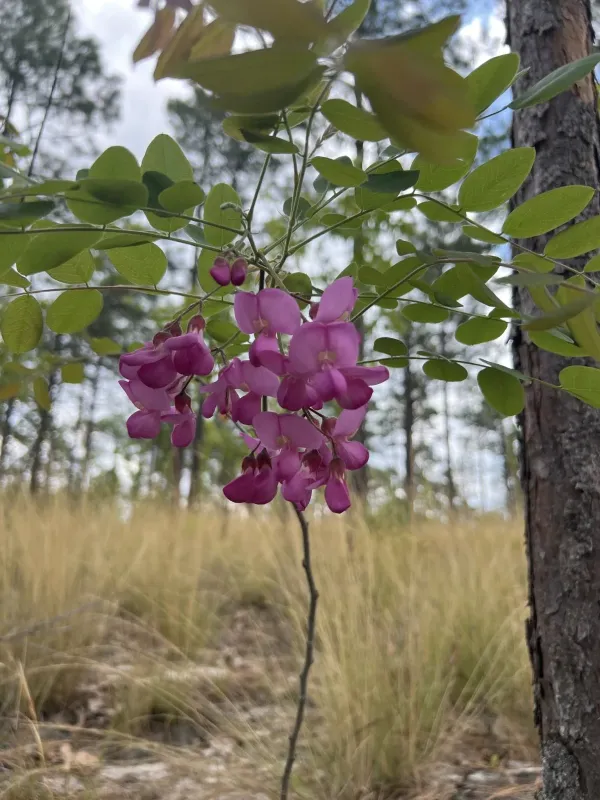
Botanically, the plant features pinnately compound leaves and displays beautiful racemes of fragrant, pink to purple flowers. This growth habit, combined with its relatively compact size, allows it to be used effectively in shrub borders or as a specimen plant in open garden spaces.
Regarding cultivation requirements, Robinia elliottii thrives in well-drained, sandy or loamy soils. It is essential to ensure that the site is not prone to waterlogging, as the root system is highly sensitive to excessive moisture, which can lead to rapid deterioration of plant health.
The plant demonstrates a strong preference for full sun exposure, which is necessary to maximize flowering intensity and maintain a healthy structure. In terms of climate, it performs best in regions where extreme temperature fluctuations are minimized and where it is protected from strong, drying winds.
As a legume, this species contributes to soil health by fixing atmospheric nitrogen via root nodules. This ecological benefit, coupled with its role as a pollinator-friendly plant, underscores its value in sustainable gardening and its potential utility in supporting local biodiversity.
Main diseases and pests
Primary threats to Robinia elliottii include fungal pathogens that thrive in humid or poorly ventilated conditions. Root rot and leaf spot diseases are among the most common issues that growers may encounter, particularly if the soil drainage is inadequate for the species' needs.
Insect pests, such as spider mites and various leaf-chewing larvae, can occasionally cause aesthetic damage to the foliage. Implementing integrated pest management strategies, such as maintaining plant vigor and regular visual inspections, is the most effective approach for preventing significant damage to the shrub.